Rytr
Rytr is one of the easier AI writing tools to recommend to beginners who need fast short-form copy, a real free plan, and a workflow that does not require heavy setup before the first useful draft.
Brand-level pages that bridge broad hub navigation with reviews, coupon pages, and current offer checks.
Filter the items visible on this archive page or reorder them without leaving the page.
Rytr is one of the easier AI writing tools to recommend to beginners who need fast short-form copy, a real free plan, and a workflow that does not require heavy setup before the first useful draft.
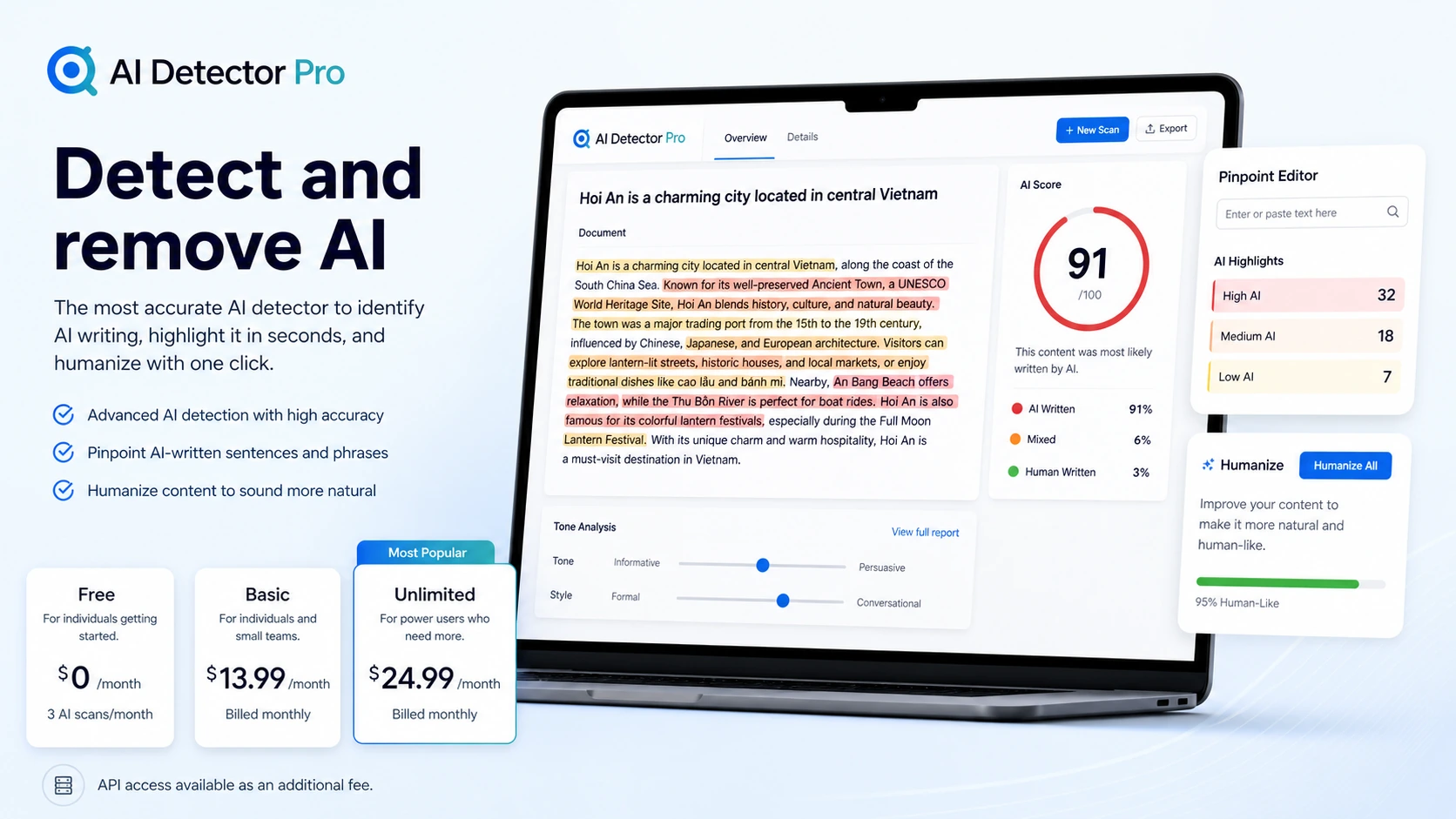
AI Detector Pro is a detection and rewriting workflow for people who want to scan text, identify AI-like passages, and revise the parts most likely to trigger an AI detector. It is strongest as a pre-submission or pre-publishing checkpoint, not as final proof that a document is safe from every detector.
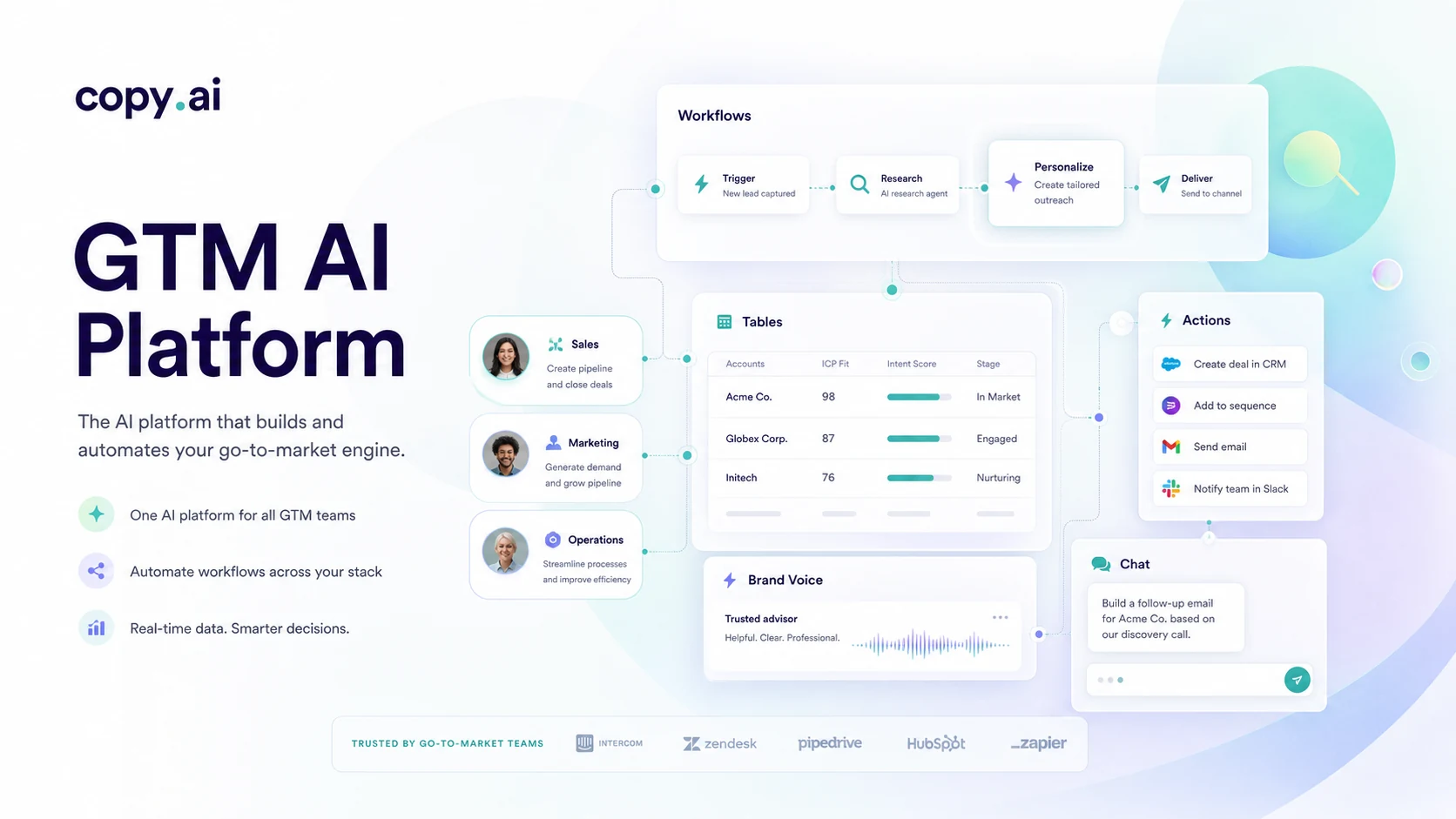
Copy.ai now fits better as a GTM AI and workflow platform than as a plain AI copywriter. The buying decision is less about finding a coupon code and more about whether your team needs shared Chat, workflow automation, API-connected actions, or a larger sales-led rollout.
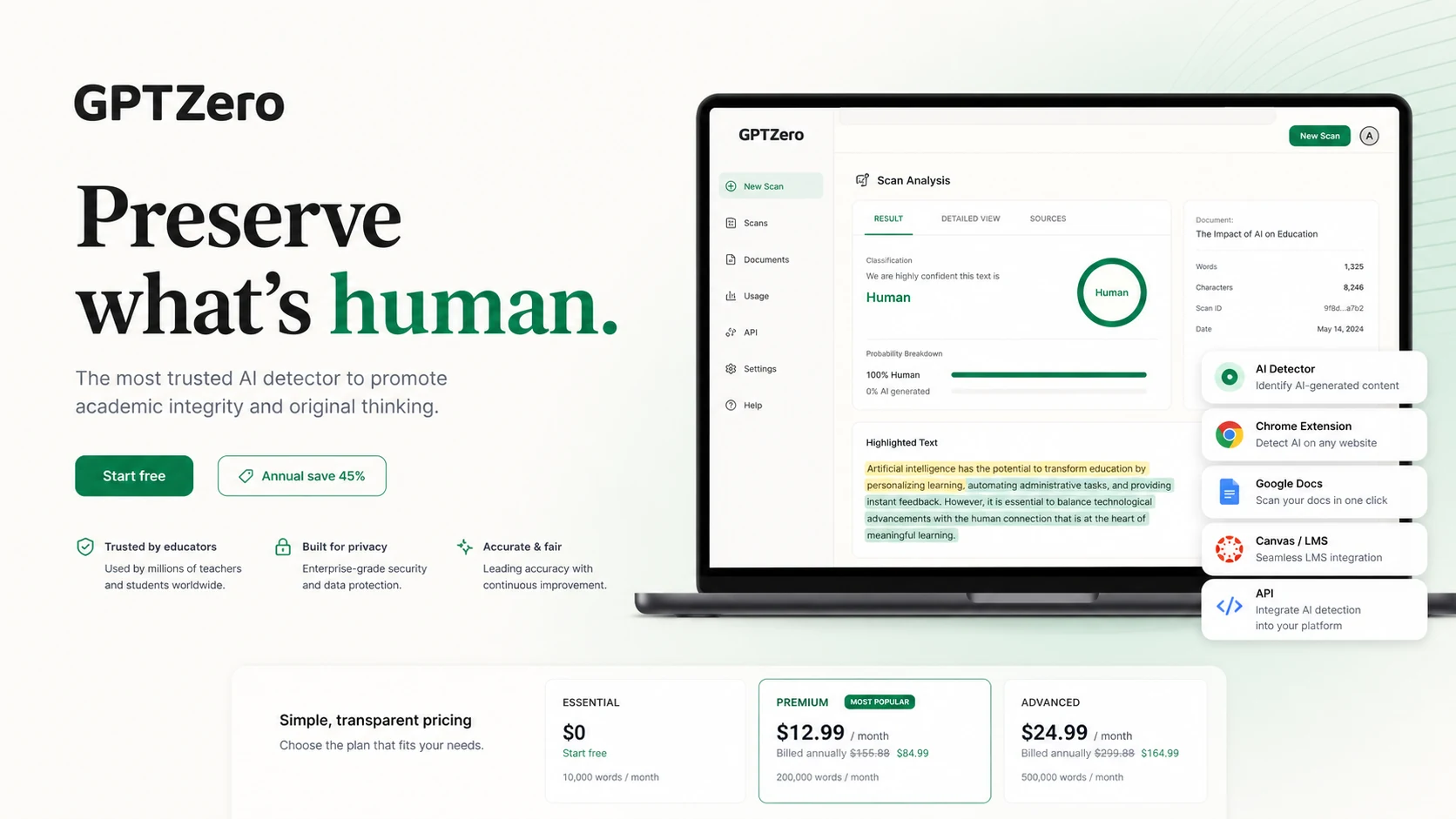
GPTZero is an AI detection and writing-authenticity platform for educators, students, writers, publishers, and teams that need more than a simple percentage score. It combines AI text scanning, writing feedback, Google Docs and Chrome workflows, classroom or LMS paths, and developer API access.
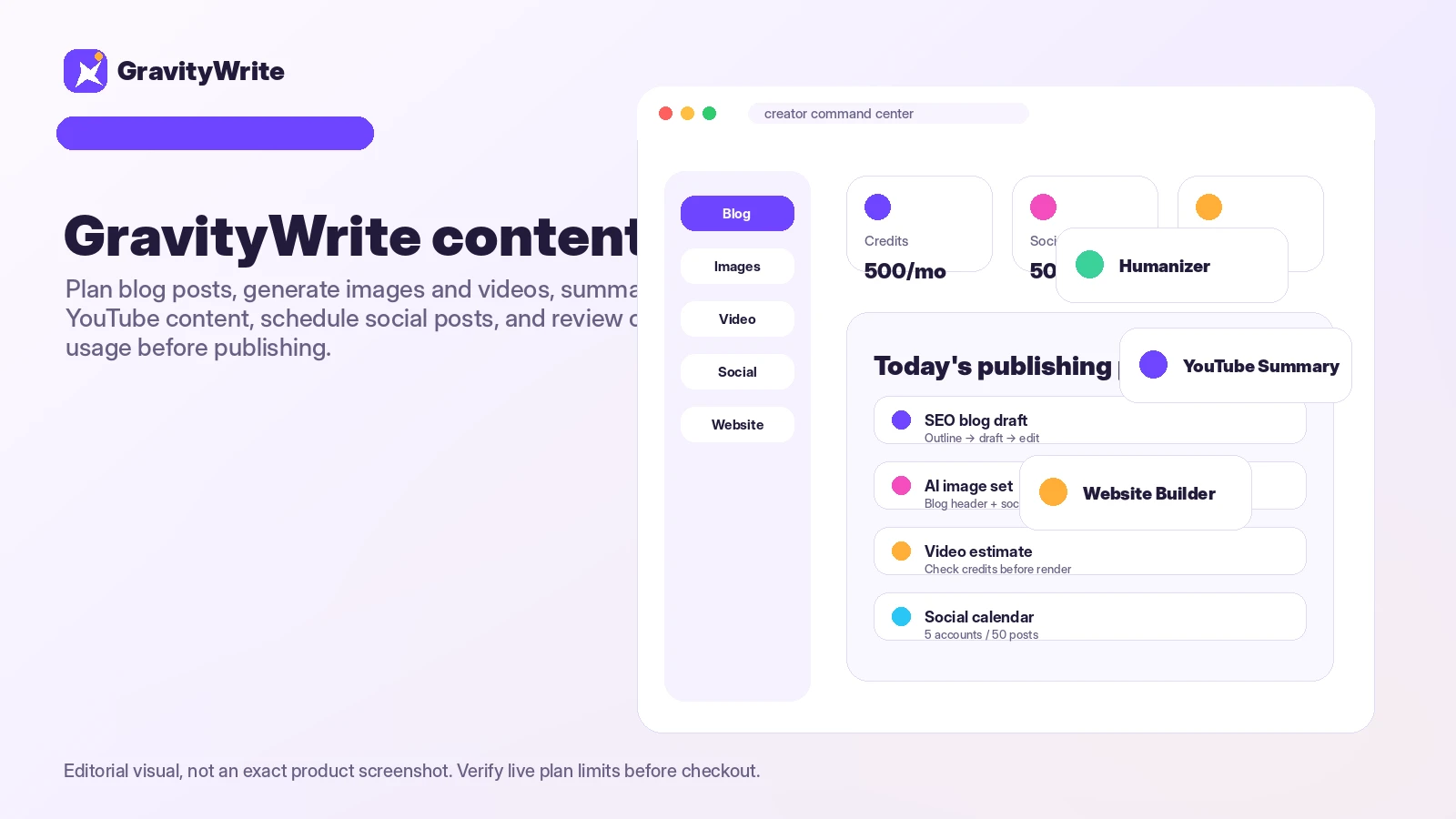
GravityWrite is best understood as a multi-format AI content platform for buyers who want one place to draft blogs, generate visuals, plan social posts, and test light video or website workflows. The store decision should focus less on chasing a public coupon code and more on whether the Plus, Pro, or Bundle path matches your actual content volume.
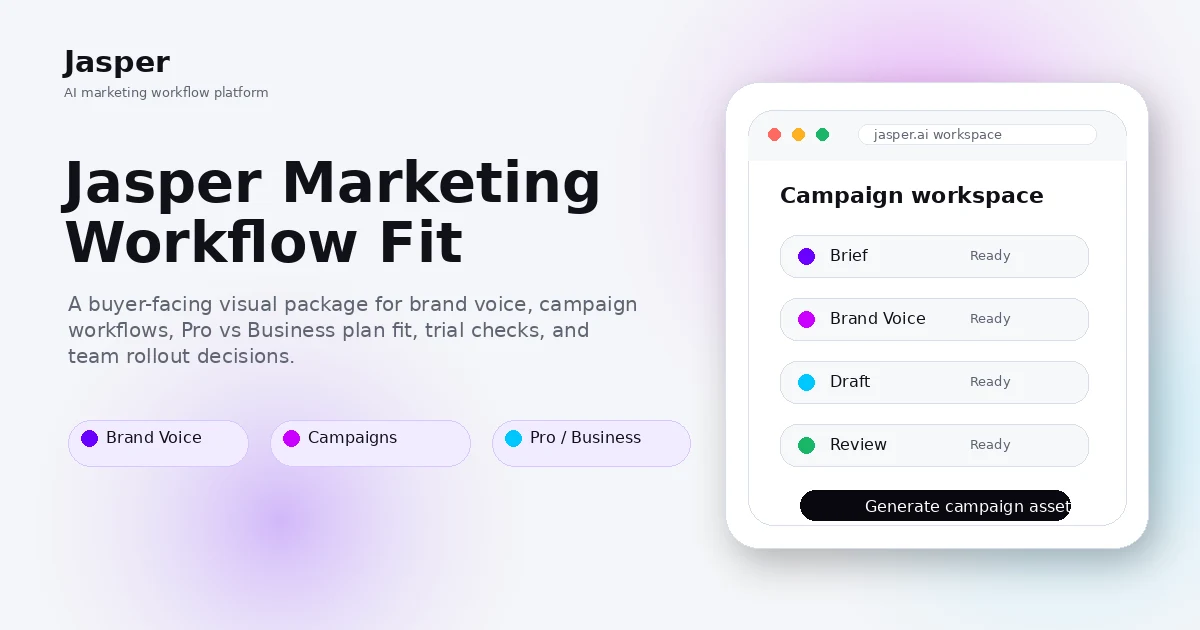
Jasper is best understood as a marketing AI workspace, not a generic writing toy. Its stronger fit is for teams that care about brand voice, campaigns, marketing workflows, and repeatable content production. The buying decision is less about finding a random coupon code and more about whether Pro is enough, whether Business controls are worth the quote path, and whether the trial proves real workflow value.
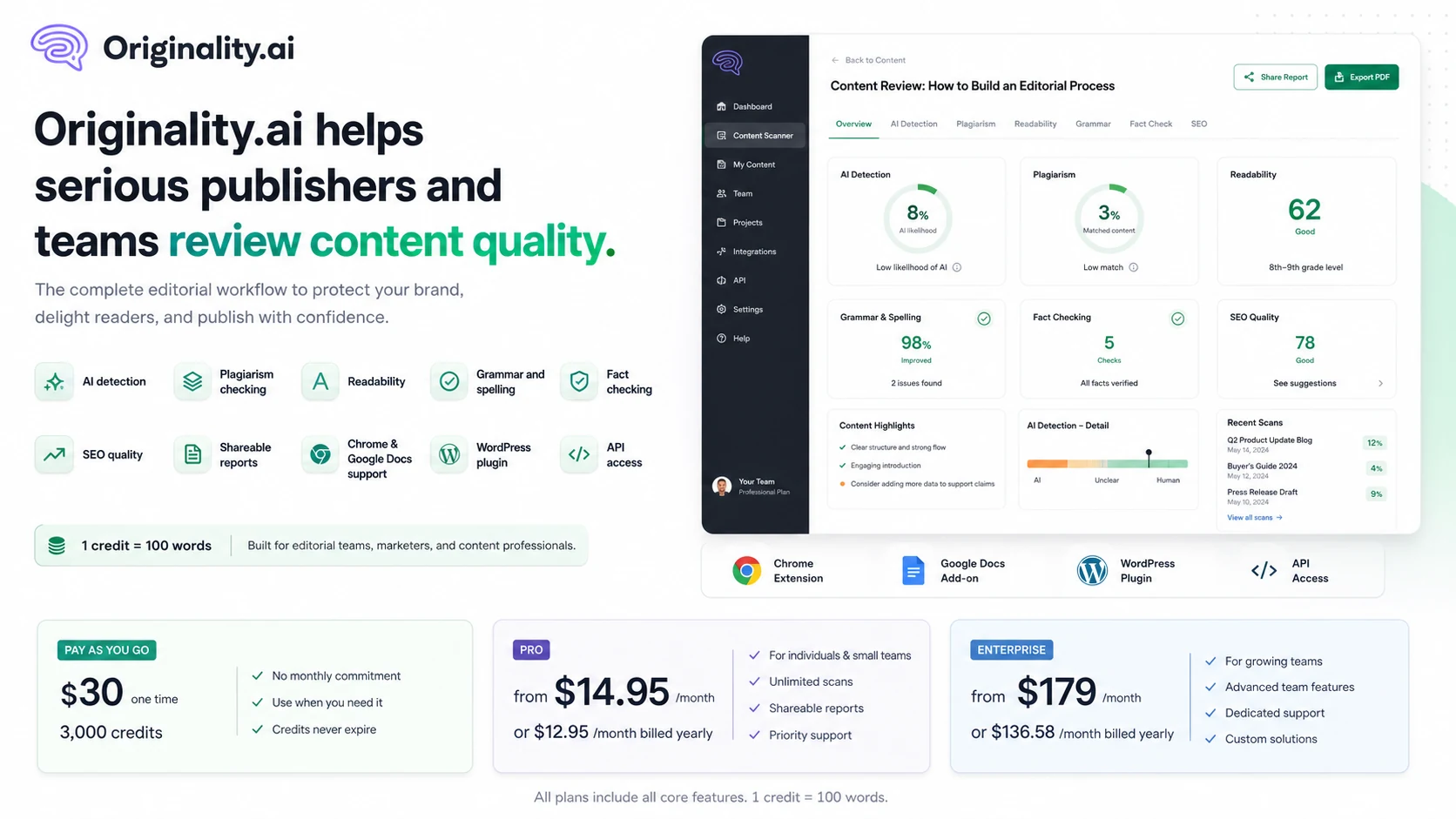
Originality.ai is a content quality platform built around AI detection, plagiarism checking, readability, grammar and spelling checks, fact-checking support, SEO optimization, team review workflows, WordPress scanning, Chrome and Google Docs support, and API access. It fits buyers who need repeatable editorial checks more than casual one-off AI detection.
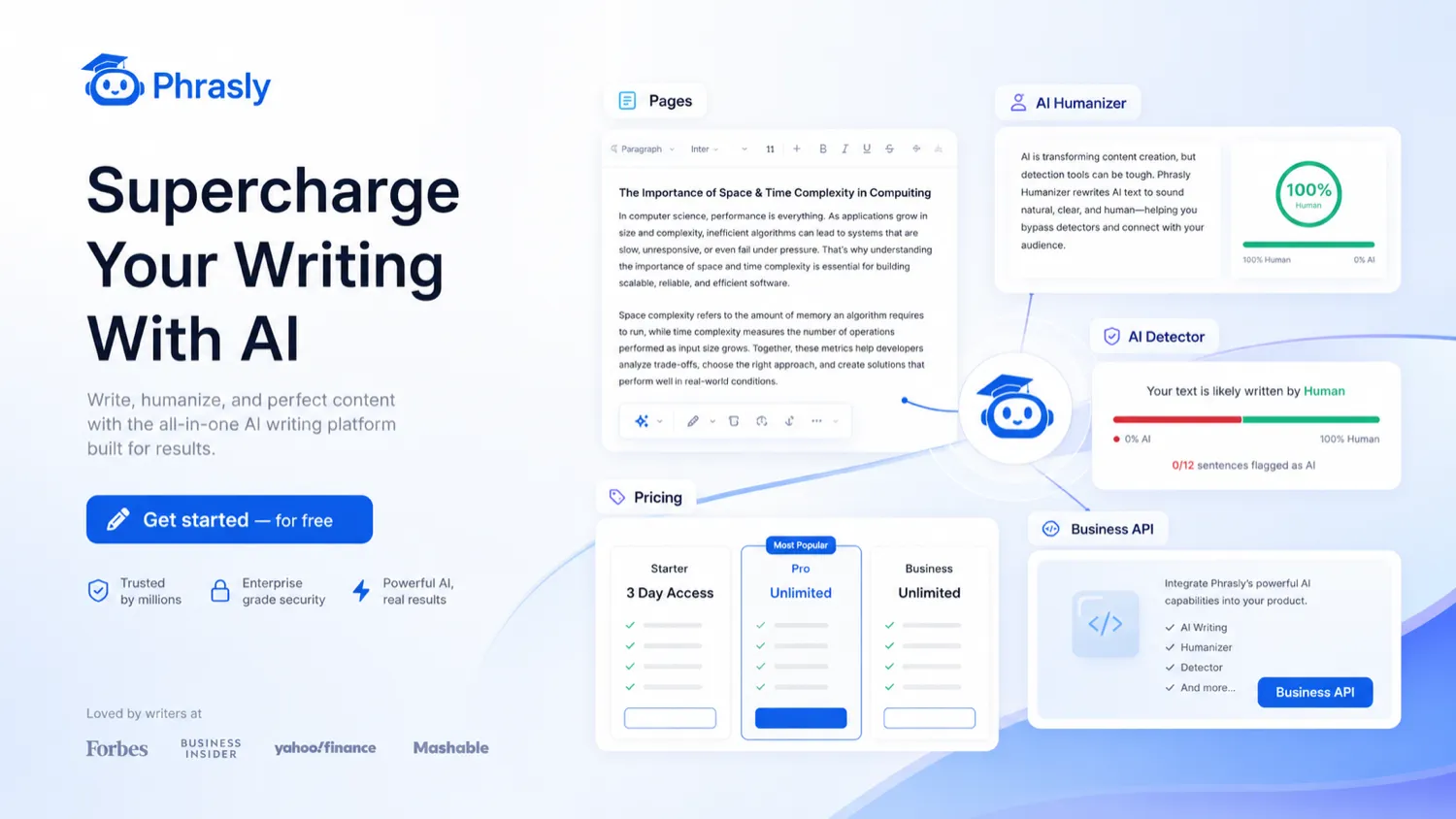
Phrasly is an AI writing assistant built around humanizing AI-assisted text, checking content with an AI detector, generating drafts, working in a Pages-style editor, translating, creating thesis statements, counting words, and adding plagiarism-checking support. It fits buyers who want to refine drafts and run authenticity checks before submission or publishing, not buyers who expect a detector or humanizer to remove the need for editorial judgment.
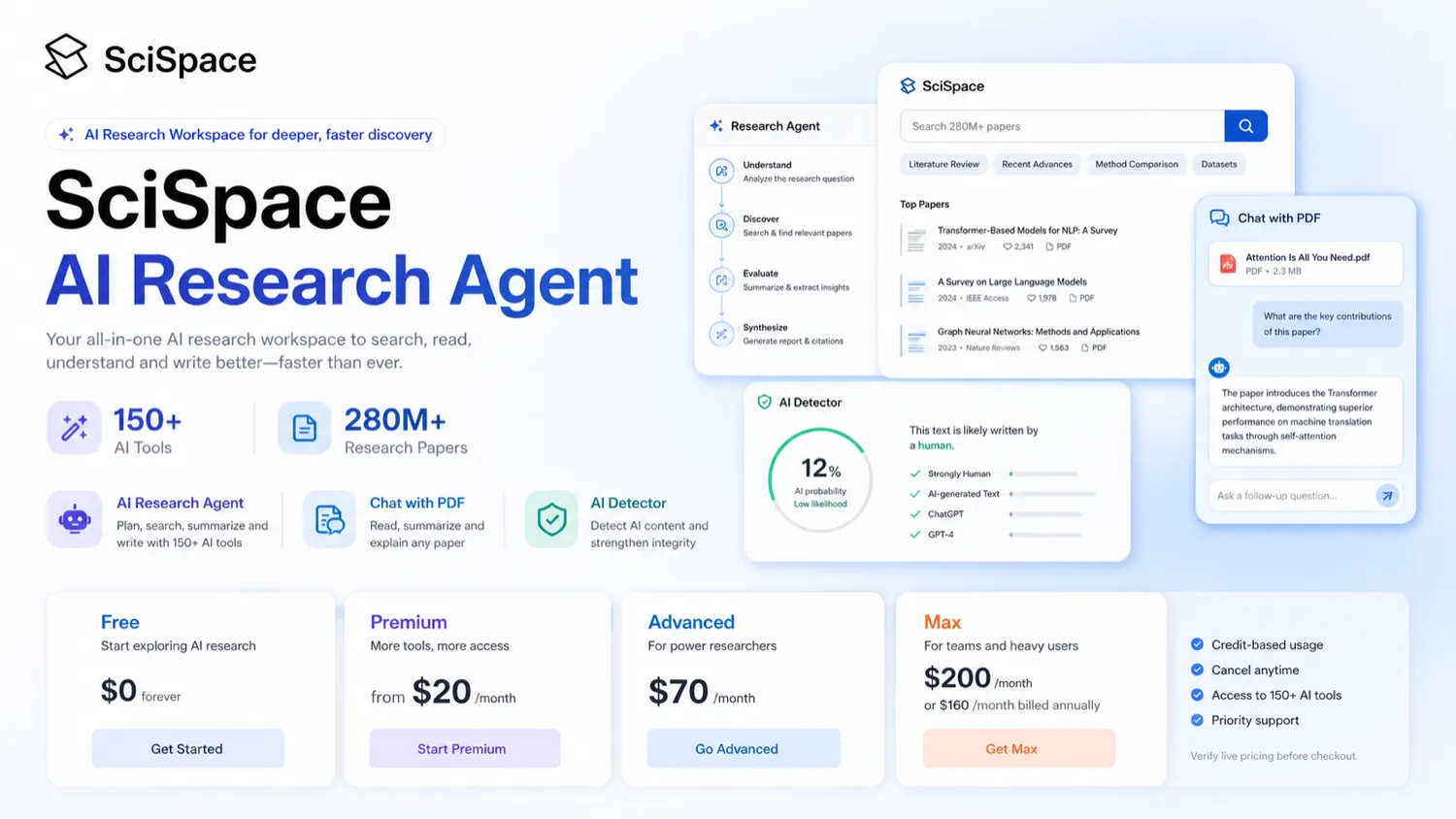
SciSpace is best understood as an AI research workspace rather than a simple AI detector. It helps researchers search papers, read and question PDFs, summarize academic content, use Copilot-style explanations, run AI detection checks, and work with agent-based research tasks. The store page should help buyers decide whether they need this full academic workflow, or whether a narrower detector, plagiarism checker, or writing assistant would be a cleaner fit.
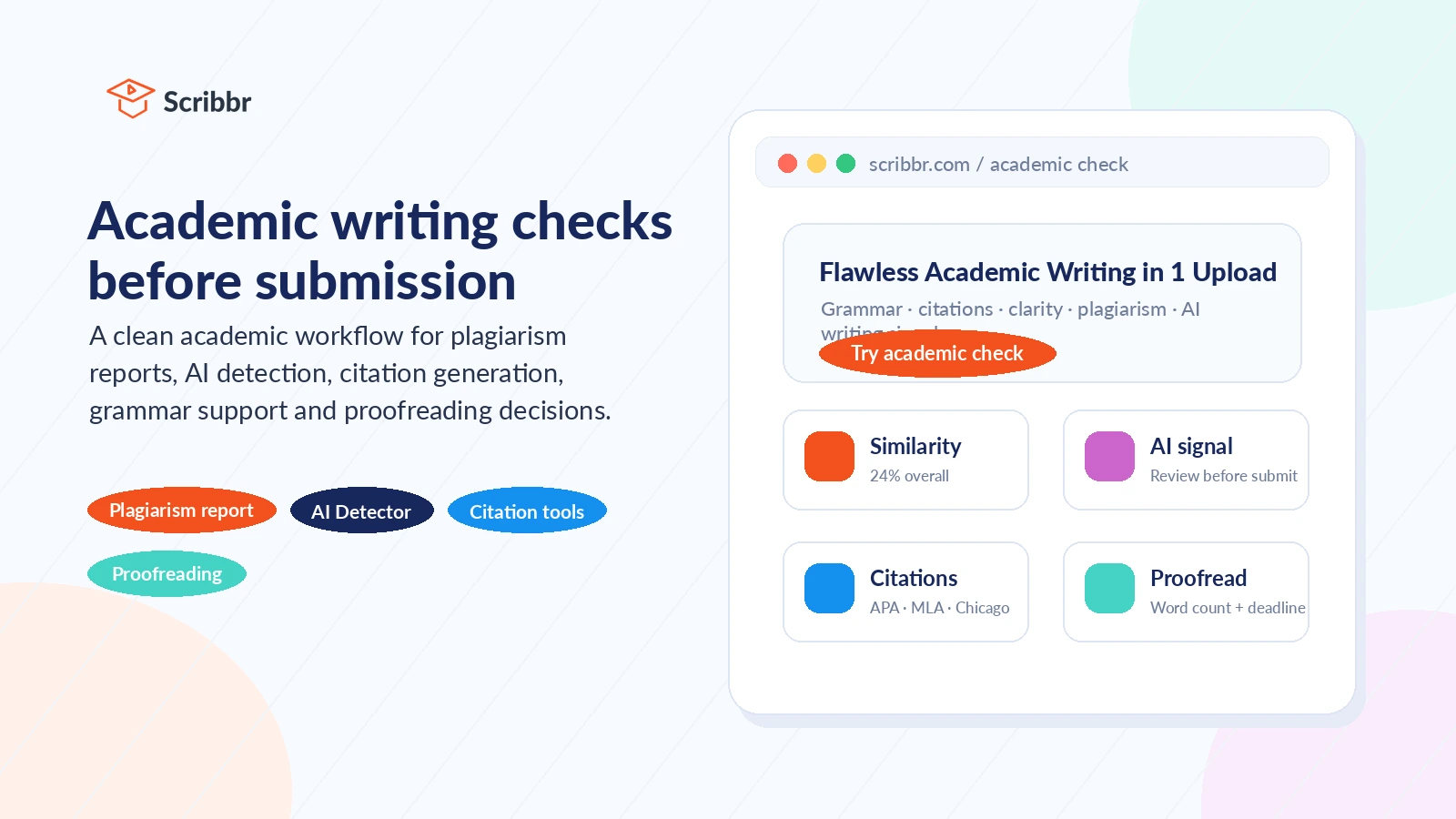
Scribbr is best understood as an academic writing and originality platform rather than a narrow AI detector subscription. Its free AI Detector is useful for quick checks on student papers, educator reviews, and publisher-side screening, while the paid path usually points toward plagiarism reports and premium academic integrity checks. The main buyer question is not whether Scribbr is feature-rich enough for enterprise AI detection. It is whether the academic writing context, pay-per-document model, and no-subscription workflow match the reader's real need.
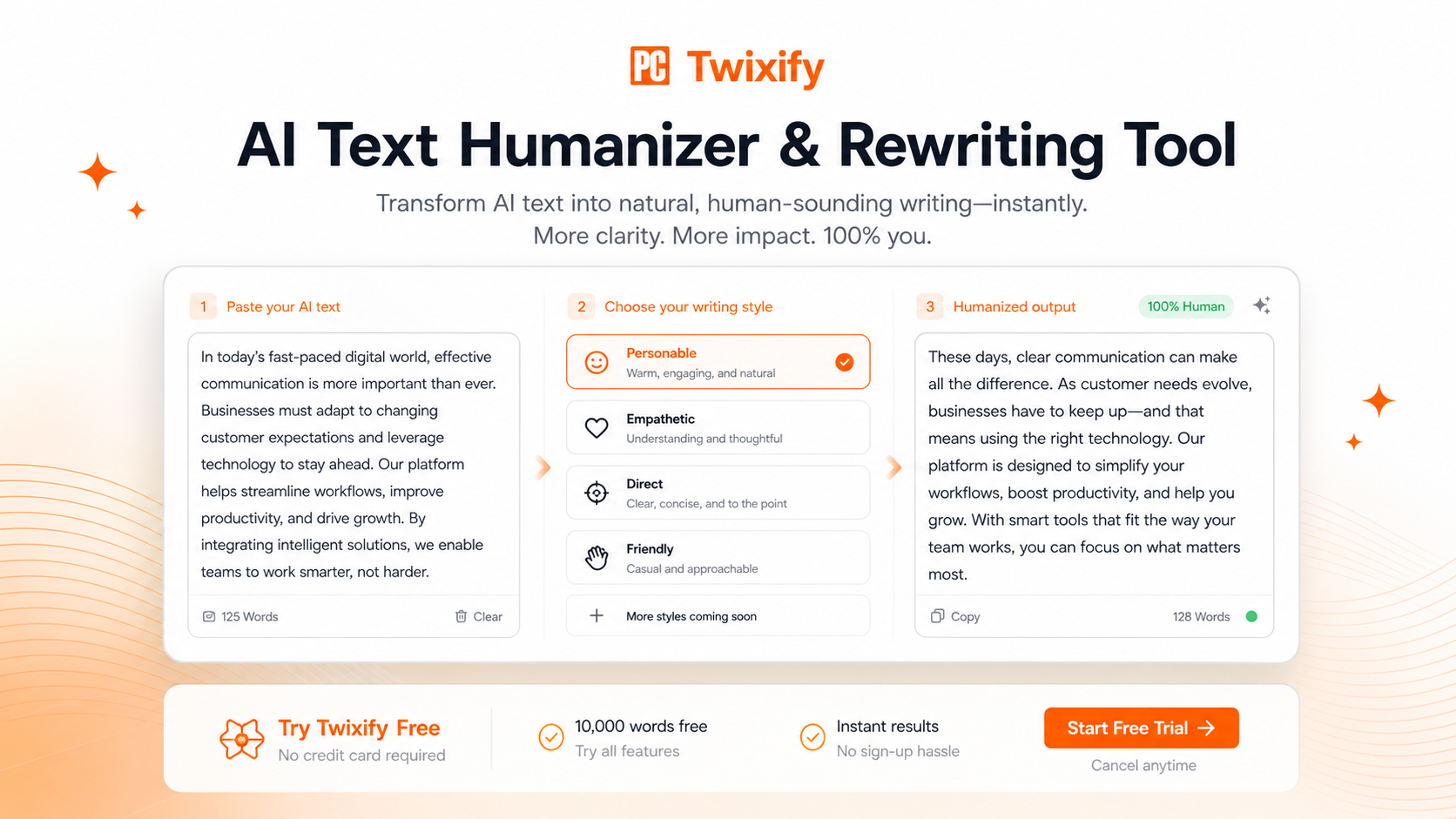
Twixify is best understood as an AI humanizer and rewriting tool, not a classic AI detector. It takes AI-generated or copied text and rewrites it toward a more natural voice, with custom style cues, writing-style presets, word filtering, and request-based plan limits. That can be useful for editors polishing AI-assisted drafts, but the buyer needs to separate writing improvement from the stronger claim that any output will reliably bypass AI detectors.
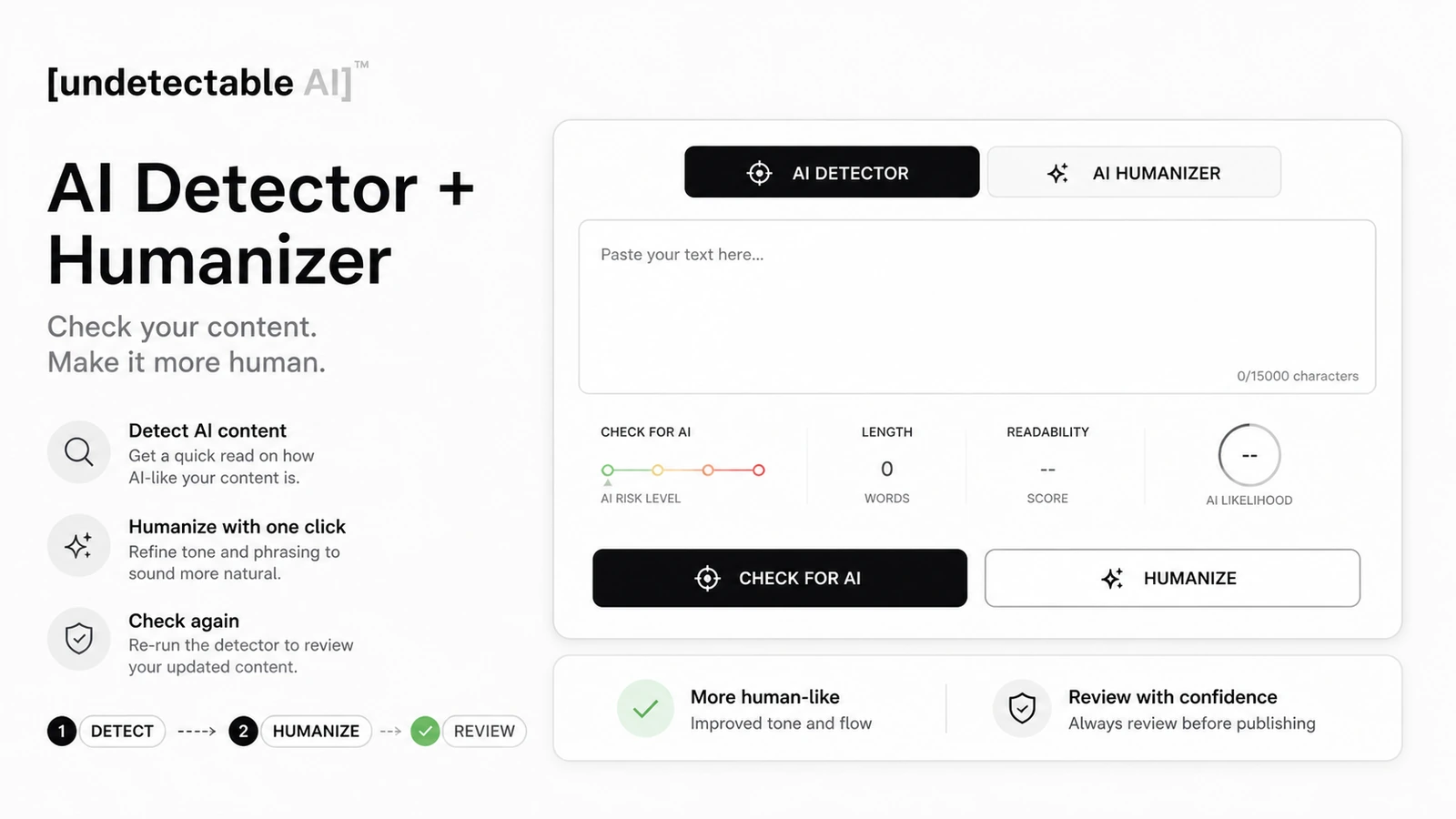
Undetectable AI is best understood as a combined AI detector and AI humanizer platform. The free detector helps users see whether text is likely to be flagged by AI checkers, while the paid humanizer plans focus on rewriting AI-generated text so it reads more naturally. That makes the product commercially interesting for writers, marketers, agencies, and publishers, but it also means buyers must separate legitimate editing and authenticity review from risky promises around avoiding detection.
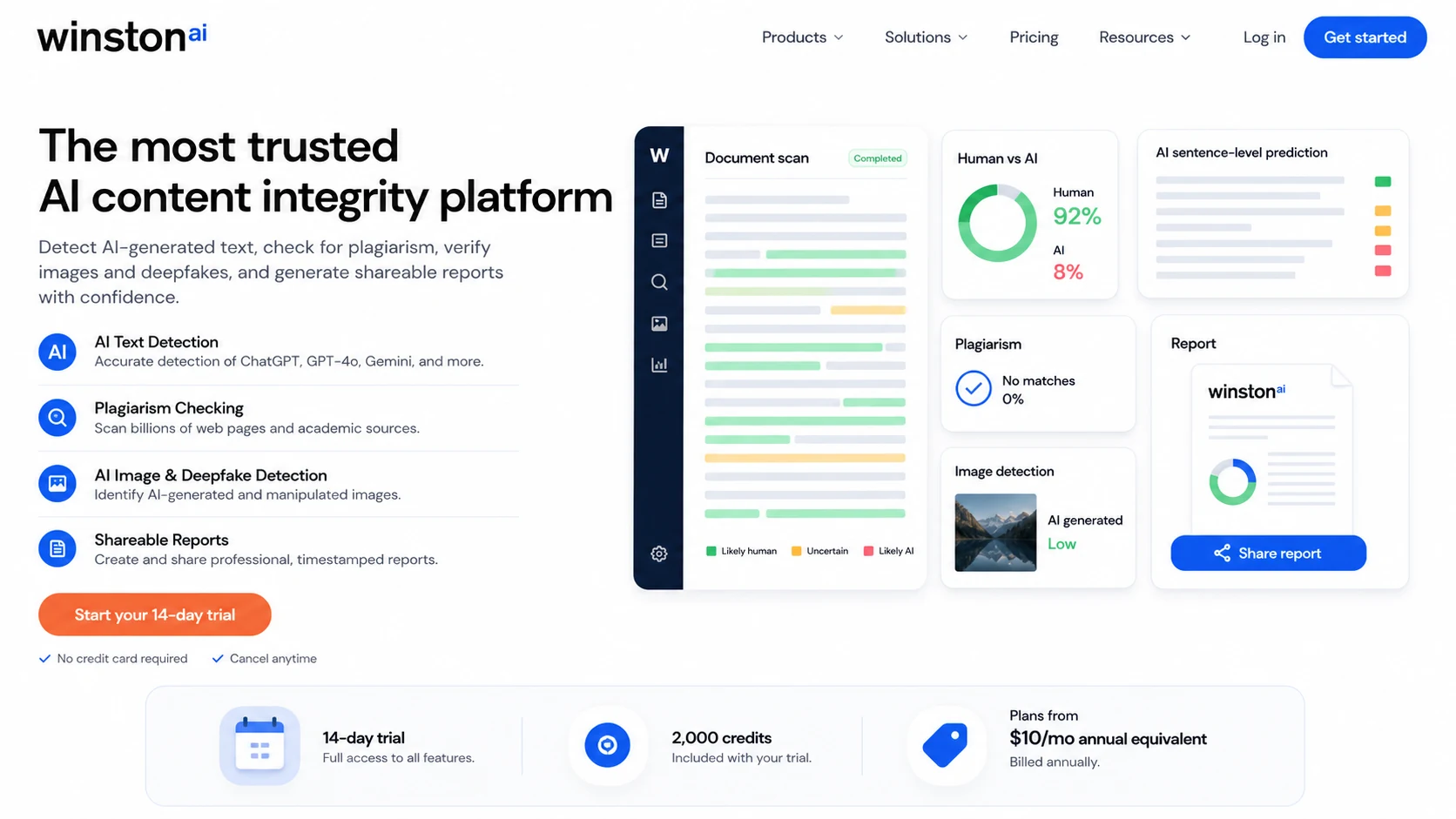
Winston AI is an originality-checking platform built around AI text detection, plagiarism checking, AI image detection, writing feedback, reports, and team workflows. It is strongest when the buyer needs more than a one-off AI percentage and wants a repeatable review process for education, SEO, publishing, or content operations. The commercial decision is mostly about credits, billing interval, and whether the buyer needs plagiarism, image forensics, team members, or API access.
WordHero is best understood as an AI writing workspace for bloggers, marketers, small teams, and creators who want repeatable templates, long-form drafting, brand voice support, SEO-oriented writing tools, chat, and AI image credits in one place. The product is more useful when a buyer has a steady publishing workflow than when they only need a single quick paragraph.
Writesonic is no longer just a simple AI writing app. Its current positioning is closer to an AI search visibility, SEO, and content platform for teams that want to track how brands appear across AI engines, identify citation gaps, create or refresh content, and tie SEO work to generative search visibility. The buying decision is mostly about workflow depth and plan fit, not about finding a shallow coupon code.
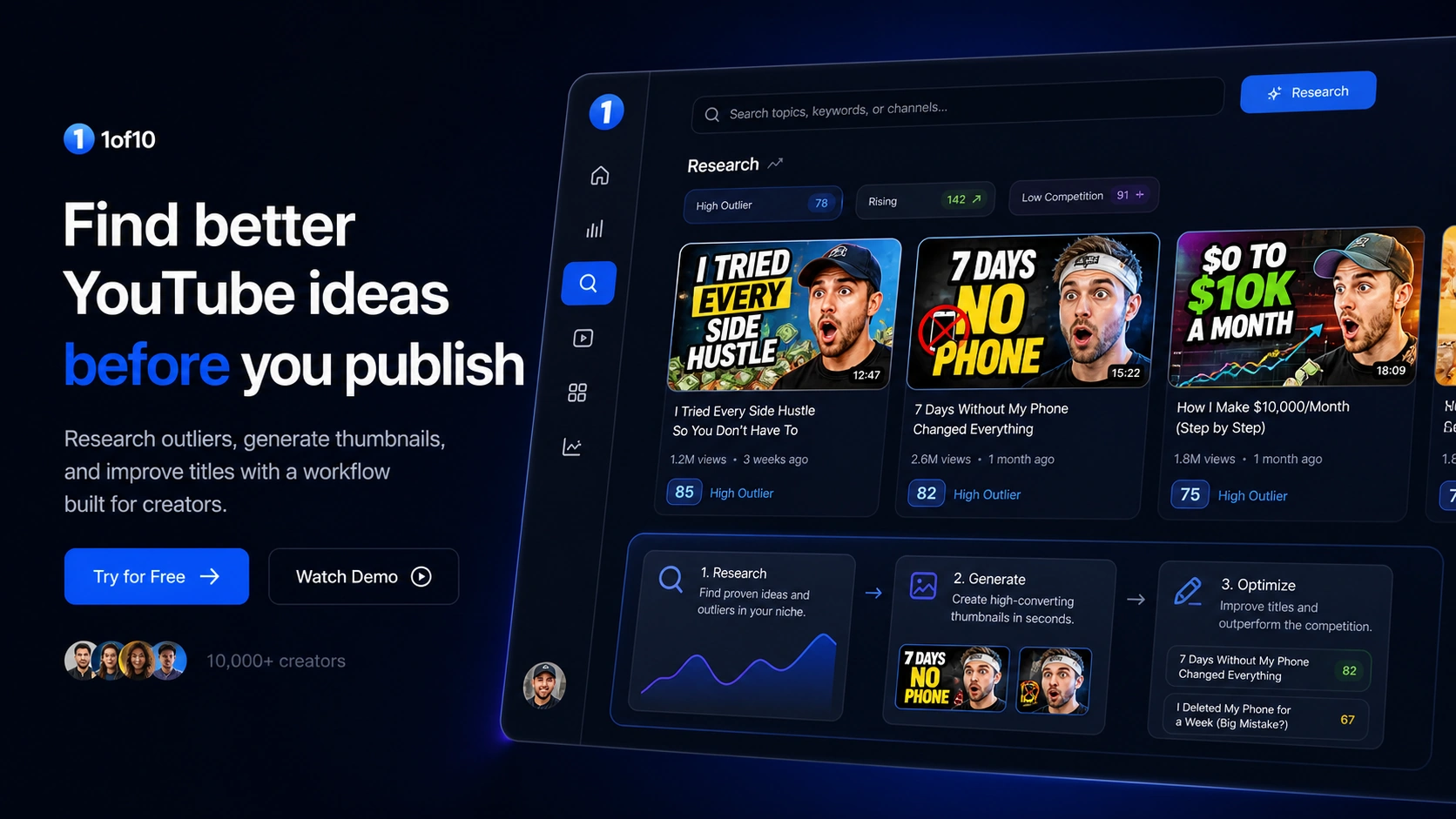
1of10 is a YouTube growth and packaging tool built around outlier research, thumbnail ideas, title generation, idea discovery, and AI-assisted creative iteration. It fits creators who want to study what is already working on YouTube before making the next video, then turn that research into titles, thumbnails, and video angles. The buying decision is less about whether the tool sounds exciting and more about whether you will use its research layer often enough to justify Basic or need Pro for AI generation credits.
AI-Writer.com is best understood as a research-focused AI writing tool, not a broad creative copywriting suite. The current public positioning centers on scientific literature, traceable citations, Topic Explorer, AI research answers, bibliography support, and review-paper style workflows. That makes it more useful for researchers, students, technical writers, and content teams that need source-backed drafts than for buyers who mainly want punchy marketing copy.
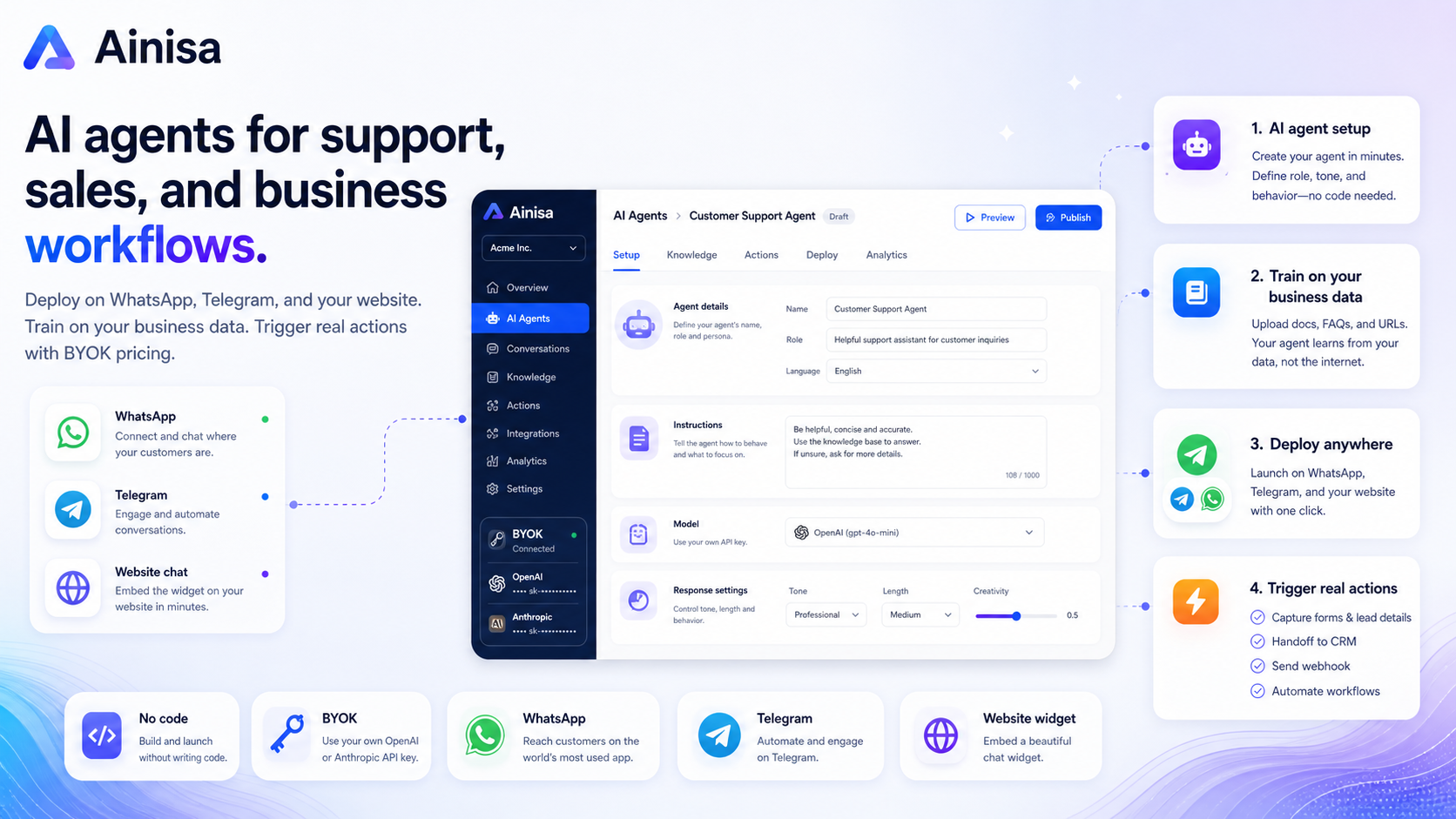
Ainisa should be treated as a no-code AI agent platform, not a prompt library. Its real buyer fit is a business that wants trained agents for support, sales, lead capture, and messaging channels, while keeping model costs transparent through a bring-your-own-key setup.
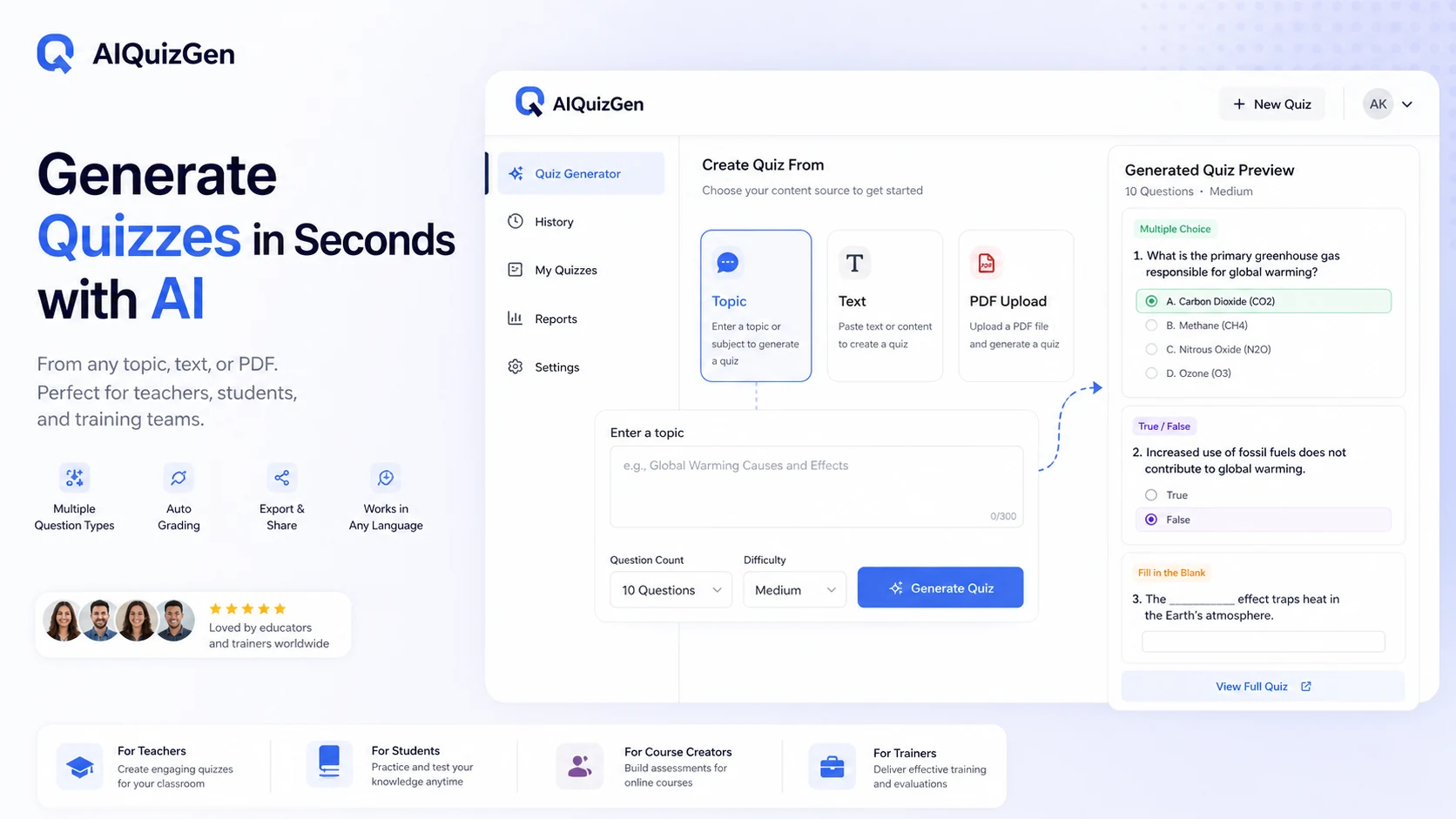
AIQuizGen is an AI quiz generator for turning topics, pasted text, and documents into quizzes with multiple question types. It fits teachers, students, course creators, and training teams that need faster assessment drafts, but buyers should treat the generated questions as a starting point that still needs human review.
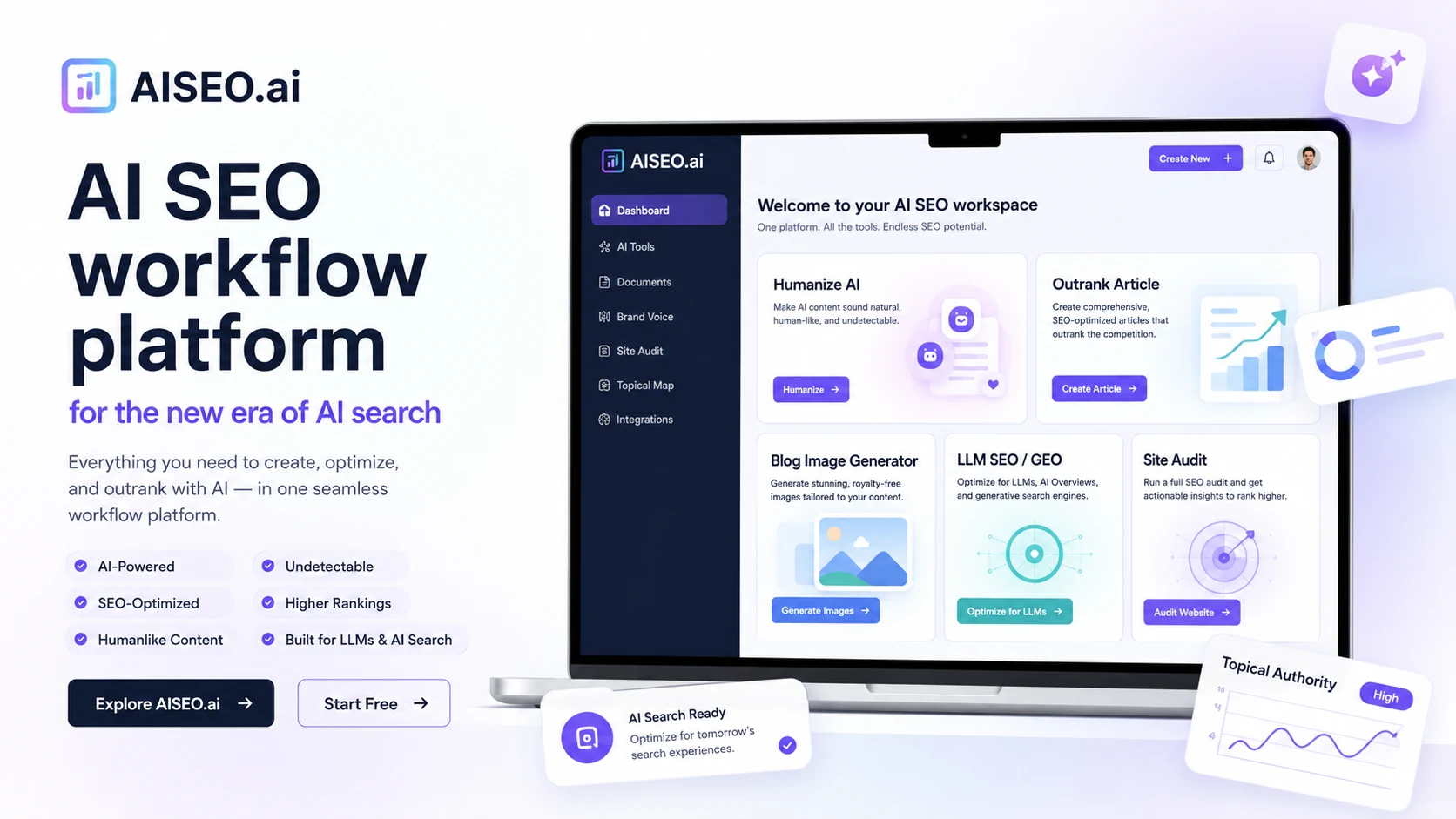
AISEO.ai is an AI content and SEO platform that has expanded beyond classic AI writing into humanizing AI text, LLM SEO, GEO, site audits, topical authority, plagiarism checking, AI detection, blog image generation, and optimization for AI-powered search visibility. It is best judged as a content optimization workflow tool, not just a one-click article generator.
Aitubo is best understood as a creative AI platform for image generation, video generation, AI music, photo effects, video effects, face swap, upscaling, avatars, and related visual tools. It fits creators who want many generative features inside one browser workspace, but the buying decision should be based on tokens, model access, pending-job limits, storage, refund rules, and whether the buyer needs API usage rather than a simple free image generator.
AKOOL is a broad AI video creation suite for avatar videos, face swap, image-to-video, video translation, talking photos, and real-time avatar workflows. It is best approached as a workflow and plan-fit decision, not just a quick coupon click, because the useful tier depends heavily on output length, resolution, model access, credits, and whether the buyer needs API or collaboration features.
ArtSmart AI is an AI image generation platform for buyers who need visual content from prompts rather than a full design suite. It is most relevant for marketers, creators, ecommerce operators, and small teams that want text-to-image generation, image editing, prompt styles, pose tools, upscaling, background removal, community inspiration, and API access in one visual workflow.
ArtSpace.ai is best understood as a browser-based AI image generation and image editing workspace for creators who want text-to-image, prompt experimentation, image cleanup, face swap, and 4K upscaling in one place. It is not a pixel-perfect design replacement. The buyer decision is whether its monthly or lifetime pricing makes sense for your real image volume and tolerance for prompt iteration.