Independent software guides, verified deal paths, and buyer-safe checkout notes.
DB DealBestDaily Curated software deals and buyer paths
Best tools guide AI Design

Best AI Design Tools for Creators

Compare AI design tools for creators by visual workflow, creative range, pricing path, and buyer cautions before choosing a tool for images, graphics, mockups, and product visuals.

Published May 11, 2026Updated May 11, 2026AI Design5 picks 5 shortlist picks
Affiliate disclosure. Some links on this page are affiliate links. We may earn a commission at no extra cost to you. Editorial guidance remains independent of commercial relationships. How we review →
Quick picks

Start with the shortlist, not the whole article

These cards turn the long “best tools” decision into practical routes. Pick the workflow first, then open the full mini-review or checkout path.

Best for broad creative generation

Aitubo

1

Aitubo is the strongest first pick when creators want a broad AI visual workspace for image generation, video-adjacent experiments, editing, upscaling, background work, and quick creative exploration.

Best forcreators who need a wide visual generation toolkit
Price pathFree path
Best for simple AI art creation

ArtSpace.ai

2

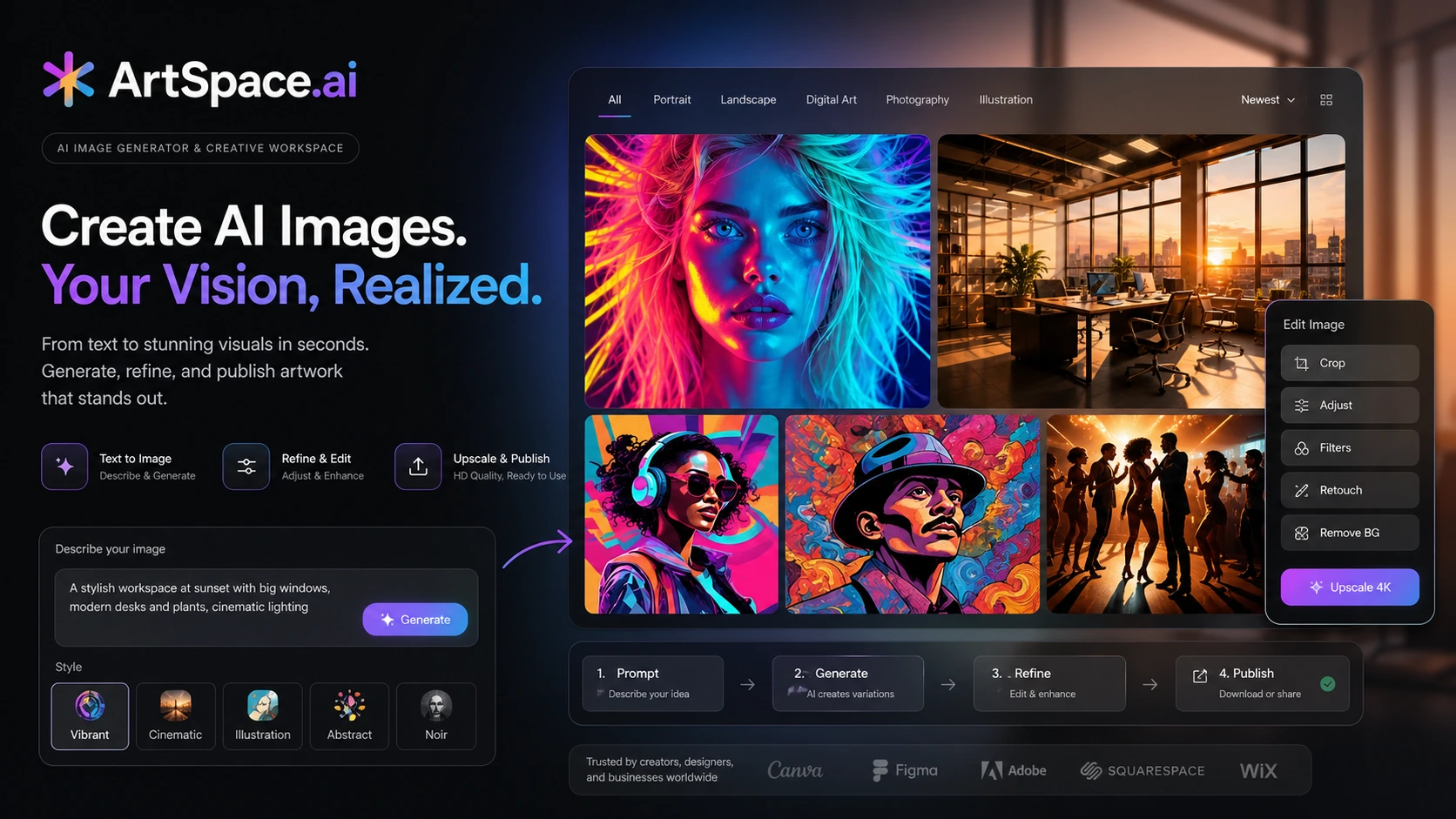
ArtSpace.ai is a practical option when creators want a lower-friction AI image and art generator for fast visual concepts, artwork, and creative assets.

Best forcreators making AI art or visual concepts
Price pathPaid path
Best for social graphics and mockups

BrandBird

3

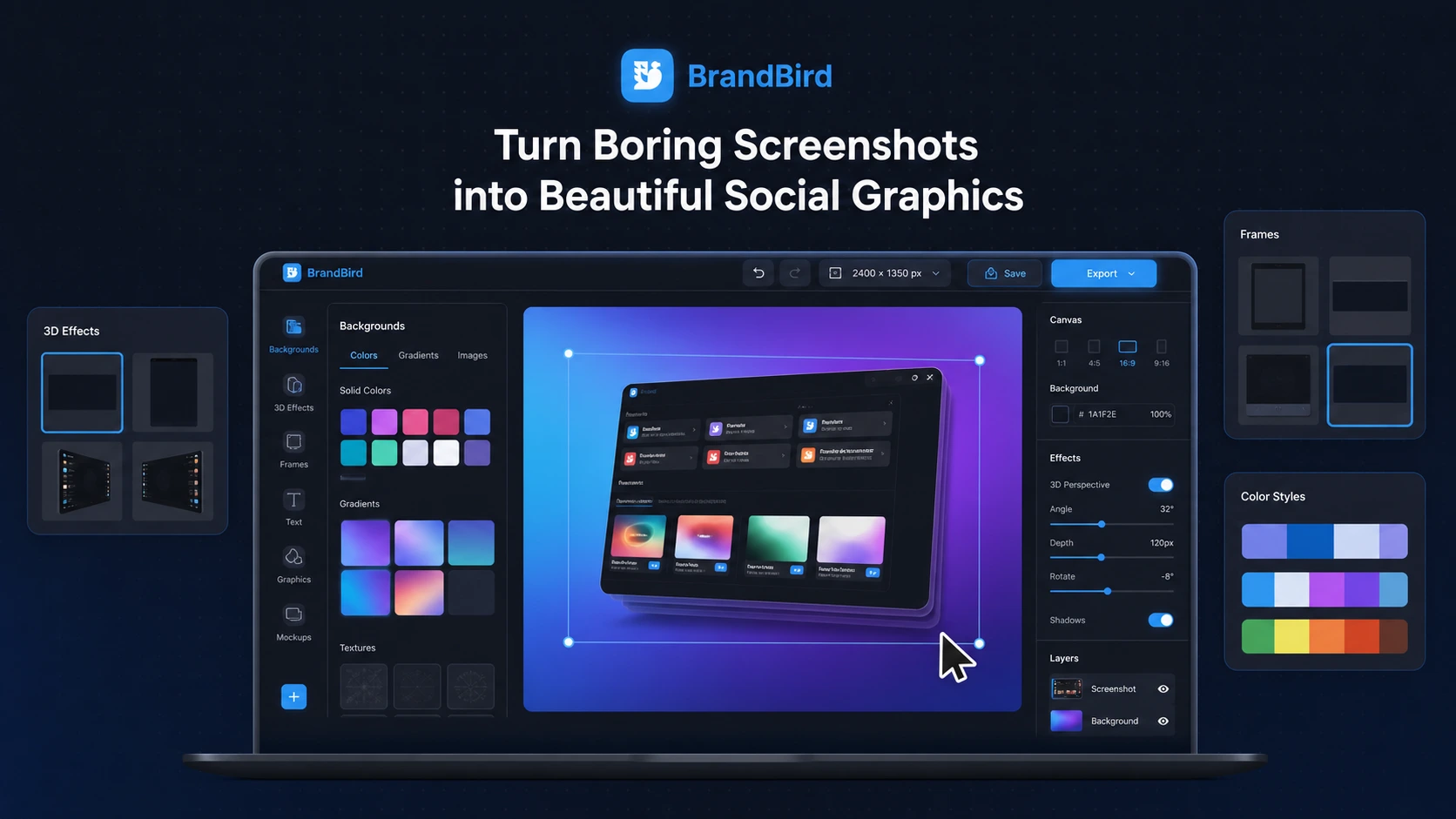
BrandBird is the best fit when creators already have screenshots, product visuals, or content snippets and need to turn them into polished social graphics, mockups, and launch assets.

Best forcreators making social graphics from screenshots
Price pathFree path
Best for product visuals

Claid AI

4

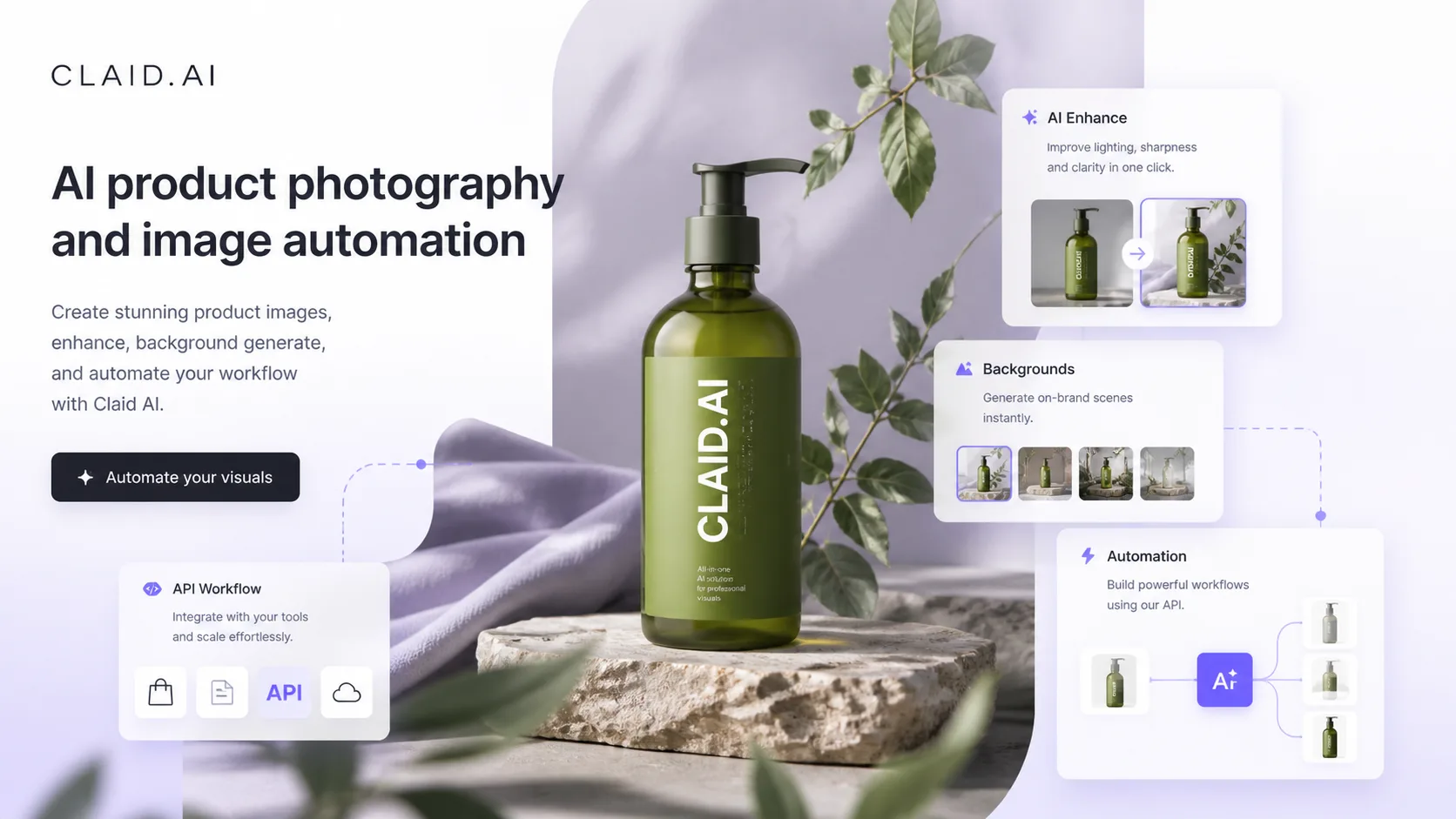
Claid AI is the better shortlist pick when a creator’s design workflow involves ecommerce images, product scenes, background generation, image enhancement, or catalog-ready visual cleanup.

Best forecommerce creators and small sellers
Price pathTrial path
Best for fast visual concepts

DrawThis

5

DrawThis is a lighter creative pick for creators who want to turn prompts into visuals quickly without starting from a more complex design or editing workflow.

Best forquick prompt-to-image experiments
Price pathPaid path
Compare before checkout

Shortlist comparison table

Use this table to narrow the list before opening review, coupon, or store pages. Price and discount paths still need live checkout verification.

ToolBest fitFree pathPricing signalMain cautionNext step
Aitubo#1creators who need a wide visual generation toolkitFree plan$0/moyou only need polished screenshot graphics or launch mockups
ArtSpace.ai#2creators making AI art or visual conceptsNo free entry$3.99you need structured brand templates or screenshot mockups
BrandBird#3creators making social graphics from screenshotsFree plan$0/moyou need full AI image generation from text prompts
Claid AI#4ecommerce creators and small sellersTrial$15/moyou only want abstract AI art or character concepts
DrawThis#5quick prompt-to-image experimentsNo free entry$19/moyou need polished screenshot templates or mockups
How to choose

Use the shortlist like a buyer, not a browser

You do not need to inspect every tool equally. Start with the workflow you repeat most, check the tradeoff that could matter later, then use the store, review, coupon, or comparison route that matches your next decision.

1Pick the workflow

Choose the tool that matches the job you repeat most often.

2Check the tradeoff

Read the caution before treating a tool as the obvious winner.

3Verify the deal

Use coupon and store pages only after the product fit is clear.

Editorial context

How to use this shortlist

The best AI design tools for creators are not all built for the same design job.

Some tools are better for generating original images from prompts. Some are better for turning screenshots into polished social graphics. Others are more useful when you need ecommerce product visuals, background generation, image cleanup, or quick concept art.

Use this shortlist by starting with your repeatable creative task. If you mostly need visual ideas, start with a broad generator. If you publish product visuals, start with the product-photo workflow. If your content depends on screenshots, launch posts, or social graphics, choose the tool that packages existing assets better.

That approach is safer than picking the tool with the flashiest gallery.

How we picked these tools

This page does not rank AI design tools only by how impressive the examples look.

For creators, the more useful question is whether the tool helps with a real publishing workflow: thumbnails, social posts, launch graphics, product images, creator storefronts, campaign visuals, or fast concept drafts.

The shortlist was shaped around five practical checks:

  1. Whether the tool solves a specific creator design job.
  2. Whether it can fit a repeatable content workflow, not just a one-off experiment.
  3. Whether the pricing, credits, or deal path can be checked before paying.
  4. Whether the output still needs human review for accuracy, rights, brand fit, or product truth.
  5. Whether the tool has a useful next step through a store profile, review, coupon page, or comparison route.

That is why this page includes both broad creative generators and focused design helpers. A creator may need both, but not for the same reason.

What matters most in this category

AI design can sound like one category, but creators usually need several different jobs done.

A YouTube creator may need thumbnail concepts. A course creator may need clean lesson graphics. A founder may need launch visuals. A seller may need product photos. A newsletter operator may need branded graphics and social previews.

Before choosing, separate these questions:

  1. Are you generating new visuals from scratch?
  2. Are you improving existing product or brand assets?
  3. Are you packaging screenshots or content snippets for social media?
  4. Do you need commercial-use clarity for monetized content?
  5. Will you publish the output directly, or only use it as a concept draft?

The right answer changes depending on the workflow.

Best AI design tool by creator use case

If you want the broadest creative generation workspace, start with Aitubo.

If your main goal is fast AI art, visual concepts, and creative image generation, compare ArtSpace.ai and DrawThis.

If you already have screenshots, product updates, or content snippets and want polished creator graphics, BrandBird is the cleaner fit.

If you sell products, templates, merch, or ecommerce assets and need product visuals to look accurate, start with Claid AI.

The important distinction is simple: creator design is not only about making pretty images. It is about creating visuals that fit the asset you actually publish.

How these picks are different

Aitubo is the broad creative option. It makes the most sense when creators want to explore different visual formats instead of locking into one narrow design task too early.

ArtSpace.ai is closer to a simple AI art and image-generation path. It can fit creators who want visual ideas without building a larger design workflow around the tool.

BrandBird is not trying to replace an image generator. Its value is in packaging screenshots and existing assets into graphics that look more publishable on social platforms, landing pages, newsletters, and launch posts.

Claid AI is the more specialized product-visual pick. It matters when creative output still has to represent a real product, color, texture, or listing asset accurately.

DrawThis is a lighter prompt-to-visual option. It is useful when speed and simple ideation matter more than a full design system.

Pricing and deal path notes

Do not choose an AI design tool from a discount alone.

A creator should first decide which visual workflow actually repeats every week. After that, check the current pricing page, free path, credit system, export limits, watermark rules, commercial-use terms, and refund policy.

This matters because two tools can both look affordable but behave very differently in real use. One may be better for occasional concept images. Another may work better for weekly social graphics. Another may only make sense if you are publishing product visuals or client assets regularly.

If a DealBestDaily coupon page is available, use it as a final checkout check after the tool already fits your workflow.

Creator design checklist

Before relying on an AI design tool for monetized creator work, check:

  • Does the output match the style and quality your audience expects?
  • Are export resolution, watermarks, and file formats good enough for your publishing channel?
  • Are commercial-use rights clear enough for YouTube, paid ads, courses, ecommerce, or client work?
  • Does the tool preserve product, logo, screenshot, or text accuracy when accuracy matters?
  • Are credits, usage limits, or monthly generation caps likely to block your workflow?
  • Can you repeat the same visual style across multiple posts or campaigns?
  • Does the tool help your actual workflow, or only produce impressive one-off examples?
  • Are refund, cancellation, and deal terms clear before annual billing?

A creator tool is only useful if it can survive repeated publishing, not just a nice first test.

Final buyer note

For the broadest creator workflow, start with Aitubo. For simple AI art and visual concepts, compare ArtSpace.ai and DrawThis. For social graphics and screenshot-based assets, BrandBird is the cleaner pick. For ecommerce or product visuals, Claid AI deserves the first look.

The safest path is to choose the tool that matches your most common creative job, then verify pricing, rights, export quality, and current deal terms before paying.
Full shortlist

The picks, with practical buying context

Each pick below works as a mini decision card. Open the direct deal only when the fit is already clear; otherwise use the review, store, or comparison route first.

#1 shortlist pick Best for broad creative generation

Aitubo

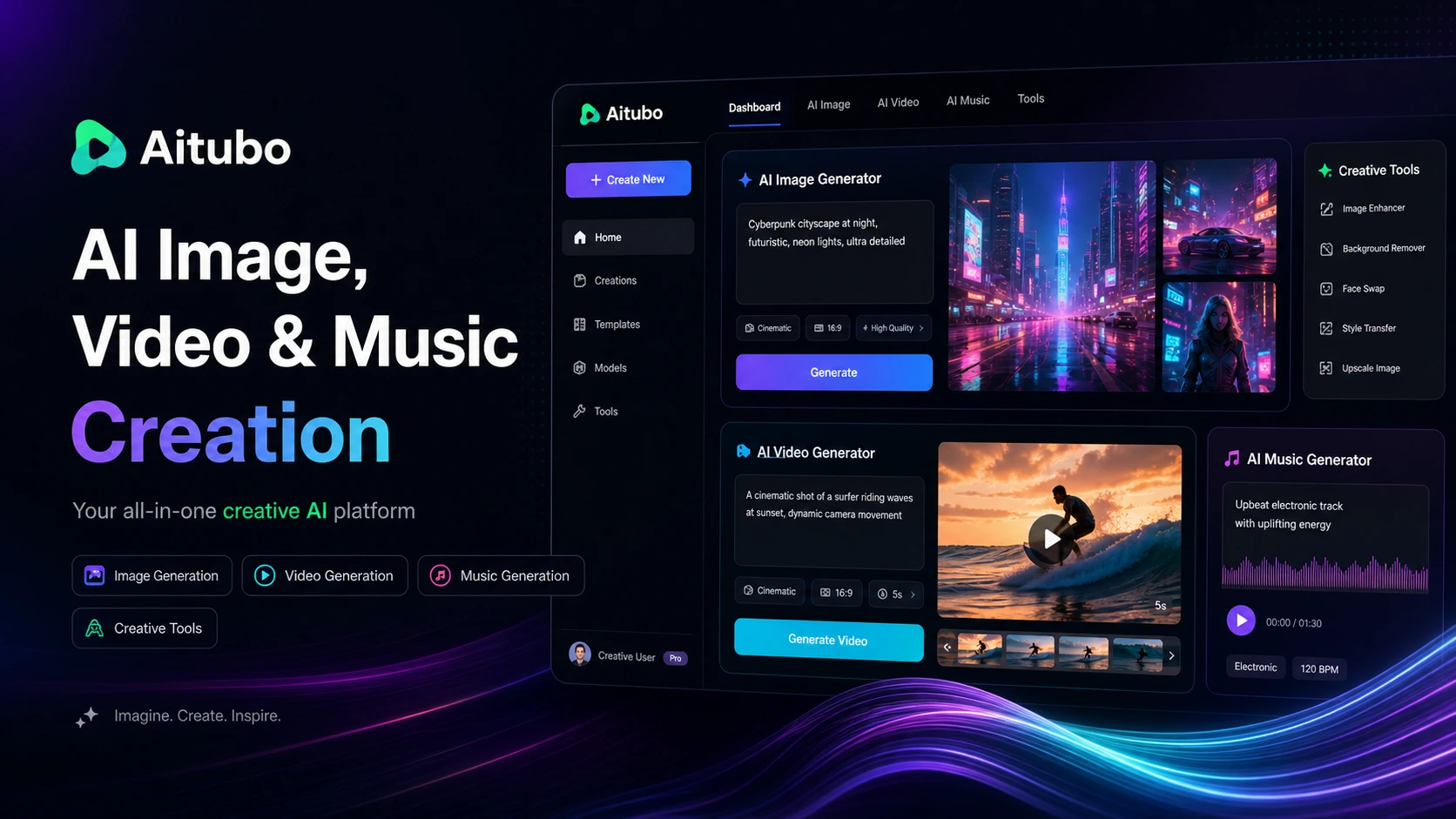
Aitubo is the strongest first pick when creators want a broad AI visual workspace for image generation, video-adjacent experiments, editing, upscaling, background work, and quick creative exploration.

Aitubo product view
Why it made the list

Aitubo belongs at the top of this creator shortlist because it is not limited to one narrow design job. It fits creators who want to generate, edit, upscale, and remix visual ideas before turning them into social posts, thumbnails, product scenes, or campaign assets.

Good fit when

  • creators who need a wide visual generation toolkit
  • image and video-adjacent creative experiments
  • fast idea testing before a final design workflow

Be careful when

  • you only need polished screenshot graphics or launch mockups
  • your workflow depends mainly on product-photo accuracy
  • you want one narrow design function instead of a broader creative platform

Strengths

  • Broad creative range across image generation and editing workflows
  • Useful for quick visual ideation before publishing
  • Good fit when creators need more than one asset style

Tradeoffs

  • Broad toolsets can require more testing before you find a repeatable workflow
  • Credit or plan limits should be checked before using it for volume work
  • Not every generated visual will be ready for commercial publishing without review
#2 shortlist pick Best for simple AI art creation

ArtSpace.ai

ArtSpace.ai is a practical option when creators want a lower-friction AI image and art generator for fast visual concepts, artwork, and creative assets.

ArtSpace.ai product view
Why it made the list

ArtSpace.ai fits creators who want image generation without building a large design system around it. It is more useful as a creative asset generator than as a precise ecommerce, brand-governance, or product-photo workflow.

Good fit when

  • creators making AI art or visual concepts
  • simple image-generation workflows
  • buyers comparing subscription and deal-style creative paths

Be careful when

  • you need structured brand templates or screenshot mockups
  • you require product-image accuracy for live listings
  • you need a full professional design suite with deep team controls

Strengths

  • Easier to approach for fast art and visual ideas
  • Useful for creator content, concept visuals, and creative experiments
  • Can be interesting when the buying decision includes lifetime or deal-style access

Tradeoffs

  • Not a dedicated brand or ecommerce image workflow
  • Output still needs review before commercial use
  • Buyers should verify current plan limits, usage rights, and checkout terms
#3 shortlist pick Best for social graphics and mockups

BrandBird

BrandBird is the best fit when creators already have screenshots, product visuals, or content snippets and need to turn them into polished social graphics, mockups, and launch assets.

BrandBird product view
Why it made the list

BrandBird belongs in this shortlist because creator design is not always about generating images from scratch. Sometimes the real job is packaging an existing screenshot, feature update, quote, or product asset into something that looks good on social media, landing pages, newsletters, or launch posts.

Good fit when

  • creators making social graphics from screenshots
  • founders and marketers creating launch visuals
  • simple mockups for newsletters, landing pages, and social posts

Be careful when

  • you need full AI image generation from text prompts
  • you want ecommerce product-photo correction
  • you need heavy design-suite controls or advanced illustration tools

Strengths

  • Strong fit for screenshot-to-social workflows
  • Useful when creators need polished graphics without deep design skills
  • Good adjacent tool for launches, changelogs, posts, and marketing visuals

Tradeoffs

  • Not a full AI image generator
  • Less useful if you do not work with screenshots or existing assets
  • Refund and discount terms should be verified before checkout
#4 shortlist pick Best for product visuals

Claid AI

Claid AI is the better shortlist pick when a creator’s design workflow involves ecommerce images, product scenes, background generation, image enhancement, or catalog-ready visual cleanup.

Claid AI product view
Why it made the list

Claid AI makes sense in a creator-focused design shortlist because many creators now sell products, templates, courses, merch, or digital goods. For that use case, visual creativity is not enough; the product still needs to look accurate, clean, and commercially usable.

Good fit when

  • ecommerce creators and small sellers
  • product-photo cleanup and background workflows
  • creators who need sharper product visuals before publishing

Be careful when

  • you only want abstract AI art or character concepts
  • you need screenshot mockups rather than product image work
  • you are not working with product visuals at all

Strengths

  • Stronger fit for product-photo and ecommerce workflows
  • Useful when visual accuracy matters more than artistic experimentation
  • Good option for creators who sell physical or productized offers

Tradeoffs

  • More specialized than a broad AI art generator
  • Buyers should verify credit rules, export quality, and API needs
  • Product images still need human review before marketplace or ad use
#5 shortlist pick Best for fast visual concepts

DrawThis

DrawThis is a lighter creative pick for creators who want to turn prompts into visuals quickly without starting from a more complex design or editing workflow.

DrawThis product view
Why it made the list

DrawThis belongs here as a fast concept-generation option. It is best treated as a way to explore visual ideas, characters, scenes, or creator graphics before deciding whether a more specialized design tool is needed.

Good fit when

  • quick prompt-to-image experiments
  • creators without formal design skills
  • fast character, concept, and campaign visual ideas

Be careful when

  • you need polished screenshot templates or mockups
  • your workflow requires accurate ecommerce product photos
  • you need a mature brand-system or team design process

Strengths

  • Low-friction way to start creating visuals from prompts
  • Useful for fast ideation and concept testing
  • Easier to approach for creators who are not designers

Tradeoffs

  • May not replace specialized design, branding, or ecommerce tools
  • Buyers should verify commercial-use terms and export limits
  • Fast generation still needs quality review before publishing
Checkout safety

Best-page checkout checklist

Run this checklist before turning a shortlist recommendation into a paid checkout decision.

1

Start with the tool that fits your workflow, not the largest discount headline.

2

Open the store or review page when you still need feature, pricing, refund, or plan-limit context.

3

Use coupon pages only after the shortlist is narrow enough that the product already makes sense.

4

Verify free-plan, trial, credit, usage, and annual-billing limits on the live checkout page.

5

Compare at least two tools if the category fit is still unclear or the top pick feels too expensive.

FAQ

Common questions

What is the best AI design tool for creators overall?

Aitubo is the broadest first pick for creators who want image generation, editing, upscaling, and creative experimentation in one visual workflow. BrandBird is better for screenshot-based social graphics, while Claid AI is stronger for product visuals.

Which AI design tool is best for social media graphics?

BrandBird is the most direct fit when the job is turning screenshots, product updates, quotes, or existing visuals into polished social posts, launch graphics, newsletter images, and simple mockups.

Which AI design tool is best for product visuals?

Claid AI is the better fit when the creator needs ecommerce-style product images, background generation, enhancement, or product-photo cleanup rather than general AI art.

Should creators choose a broad AI generator or a focused design tool?

Choose a broad AI generator when you need visual ideas and creative exploration. Choose a focused design tool when the job is clearer, such as product-photo cleanup, screenshot mockups, brand graphics, or social templates.

Are free AI design tools enough for creators?

Free paths can be useful for testing style and workflow, but creators should verify export quality, watermarks, commercial-use rules, credit limits, and plan restrictions before relying on a free tool for client work or monetized content.

What should creators check before paying for an AI design tool?

Check current pricing, credit rules, commercial-use rights, export resolution, watermark terms, refund policy, team needs, and whether the tool fits the kind of creative asset you publish most often.

Steven
Author
Steven
Editorial reviewer

Practical affiliate editor focused on realistic reviews, store architecture, and offer-aware buying paths.

Related reading

Keep browsing

View top pick ↗