Quick verdict
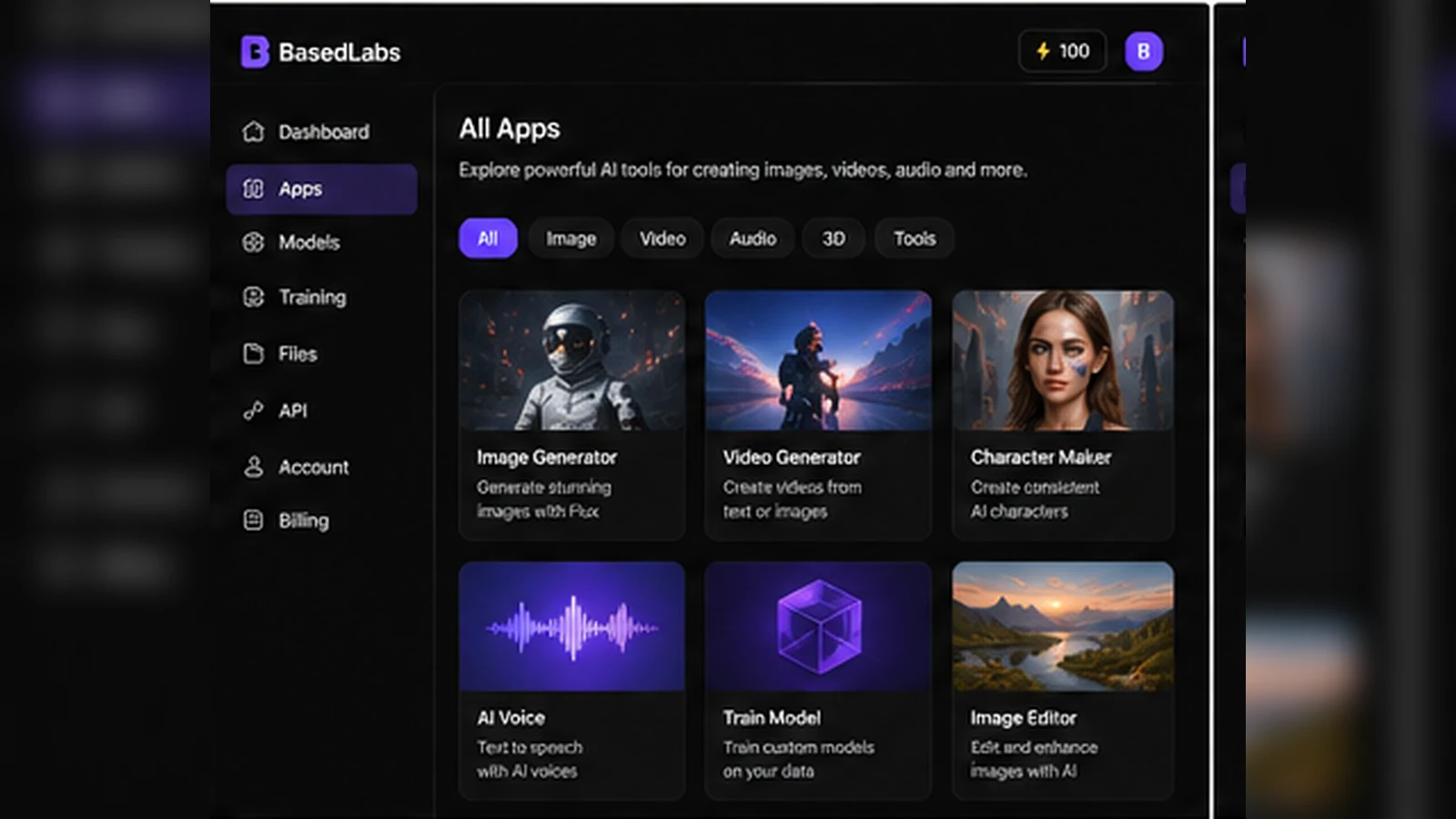
BasedLabs is worth a serious look if you want one creative AI workspace for images, short videos, face swaps, and quick visual experiments. It is not the kind of product I would judge only by the gallery or the first attractive generation result.
The real buying question is narrower: can BasedLabs produce the kind of visual output you repeat often enough to justify buying credits?
That matters because BasedLabs is not currently presented like a normal monthly SaaS subscription. The current public pricing page sells one-time credit packs. That can be refreshing if you dislike recurring bills, but it also moves the risk into credit planning. A few image tests and a video-heavy workflow do not burn credits the same way. If you buy too quickly, the issue may not be the headline price. It may be that your chosen model, revision count, or video duration consumes credits faster than expected.
For creators, social media operators, thumbnail makers, AI video experimenters, and marketers testing visual concepts, BasedLabs can make sense. For teams that need strict brand control, approval workflows, predictable usage, or mature enterprise governance, I would be more careful.
The safest next step is not to chase a coupon first. Start with a real creative task, test the free path, check the credit cost of the model you actually plan to use, then decide whether Starter, Creator, Pro, Studio, or a custom route fits the work.
Next step: If BasedLabs fits the kind of visual work you repeat, verify the current credit packs and buyer route before purchasing credits.
Review snapshot
| Review point | Practical take |
|---|---|
| Best for | Creators testing AI images, short videos, face swaps, thumbnails, UGC-style concepts, and social visuals |
| Not ideal for | Teams that need unlimited generation, formal approvals, predictable monthly usage, or enterprise governance |
| Main use case | Turning prompts or source media into quick visual assets and creative directions |
| Pricing model | One-time credit packs rather than a recurring subscription-first model |
| Current paid entry | Starter credit pack at $10 for 300 credits on the public pricing page |
| Free path | The homepage promotes free credits, no-signup generation, and no watermarks, but buyers should test the live flow |
| Main strength | Broad creative experimentation across images, video, face swap, and model discovery |
| Main concern | Credit burn varies by model and output type, especially for video |
| Direct alternatives | Imagine.art, AKOOL, Boolvideo, Fliki, HeyGen |
| Best next step | Run one real creative test, then buy only the smallest credit pack that proves the workflow |
What is BasedLabs?
BasedLabs is a creative AI generation platform for images, videos, face swaps, AI tools, and model-driven visual experiments. In plain buyer language, it is closer to a creative AI playground with production potential than a single-purpose image generator.
The homepage currently puts image, video, and face swap at the center of the experience. It also promotes free credits, no signup, no watermarks, featured models, public media, creator use cases, and a large set of free AI tools. That positioning matters because it tells you how to judge the product: BasedLabs is not mainly an AI writing tool, a traditional design suite, or a structured enterprise video platform. It is a place to generate and test creative outputs quickly.
That can be useful.
It can also be easy to overestimate.
The common mistake is to look at BasedLabs as if one impressive sample output proves the tool is ready for every creator workflow. It does not. With creative AI tools, the first result is only part of the decision. The buyer still needs to check prompt control, model choice, revision cost, video duration, export usefulness, content rights, and whether the same output quality can be repeated across a real batch.
Our review approach compares the current public product pages, pricing details, legal and refund terms, buyer workflow fit, and nearby creative alternatives. I would not treat a low credit-pack price or a polished gallery as proof that BasedLabs fits your work. I would treat it as an invitation to run a small, controlled test.
Who should use BasedLabs?
BasedLabs makes the most sense for buyers who already know they want AI-generated visual output, not just a broad AI tool to explore.
Short-form creators are an obvious fit. If your work involves TikTok, Instagram Reels, YouTube Shorts, faceless video experiments, meme-style visuals, or fast concept testing, BasedLabs gives you several creative paths in one place. The condition is that you need to track credit usage. A video idea that takes several attempts can cost more than a quick image concept.
Marketers and content operators may find BasedLabs useful for thumbnails, ad concepts, UGC-style visual directions, blog graphics, social post mockups, and campaign ideation. It is strongest when the goal is fast direction, not final brand-polished creative approval.
AI image and video experimenters can use BasedLabs to compare creative models without jumping between many separate tools. That is useful if the buyer is still discovering which model style fits their output. It becomes weaker if the buyer needs strict consistency, version control, or a predictable long-term production process.
Small creators who dislike subscriptions may like the one-time credit model. Instead of paying monthly while a tool sits unused, they can buy credits when a real project exists. The tradeoff is that credits still need planning. One-time does not automatically mean cheap.
Developers or businesses considering API or enterprise usage should treat BasedLabs as a possible conversation, not an assumption. The site exposes an API/enterprise direction, but standard credit packs should not be treated as proof that production API usage, support expectations, or custom limits are included.
Who should avoid BasedLabs?
BasedLabs is not the cleanest fit for buyers who need unlimited creative output at a predictable monthly cost. The credit model is easier to like when you can estimate usage. It becomes frustrating when every idea leads to multiple generations, model switches, video retries, and uncertain output quality.
I would also be careful if you need formal team workflows. BasedLabs can be useful for creative generation, but it is not the first tool I would choose for brand approvals, client review chains, asset governance, locked templates, or corporate video operations. A tool like AKOOL, HeyGen, Synthesia, or another business-facing video platform may be a better comparison for that kind of workflow.
Buyers who expect every model to cost roughly the same should slow down. The pricing page shows that different models have different credit costs, and video models can be priced per second. That changes the buying decision. A pack that looks generous for images may feel smaller when the work shifts to video.
I would also avoid buying a larger pack if you are relying on a refund as the safety net. BasedLabs does publish a refund policy, but it is not a simple change-of-mind guarantee. If you buy credits and then decide the outputs are not for you, that may not be enough for a refund.
Finally, buyers working with real faces, public figures, client assets, or sensitive likeness-based content should be cautious. Face swap and AI influencer tools can be powerful, but the responsibility for consent, source rights, and lawful use still sits with the buyer.
How BasedLabs fits into a real workflow
A good BasedLabs workflow starts before the prompt box.
The buyer should first decide what kind of output matters: a still image, short video, face swap, product-style visual, AI influencer concept, thumbnail direction, or social clip. That decision matters because the output type affects model choice, revision count, and credit usage.
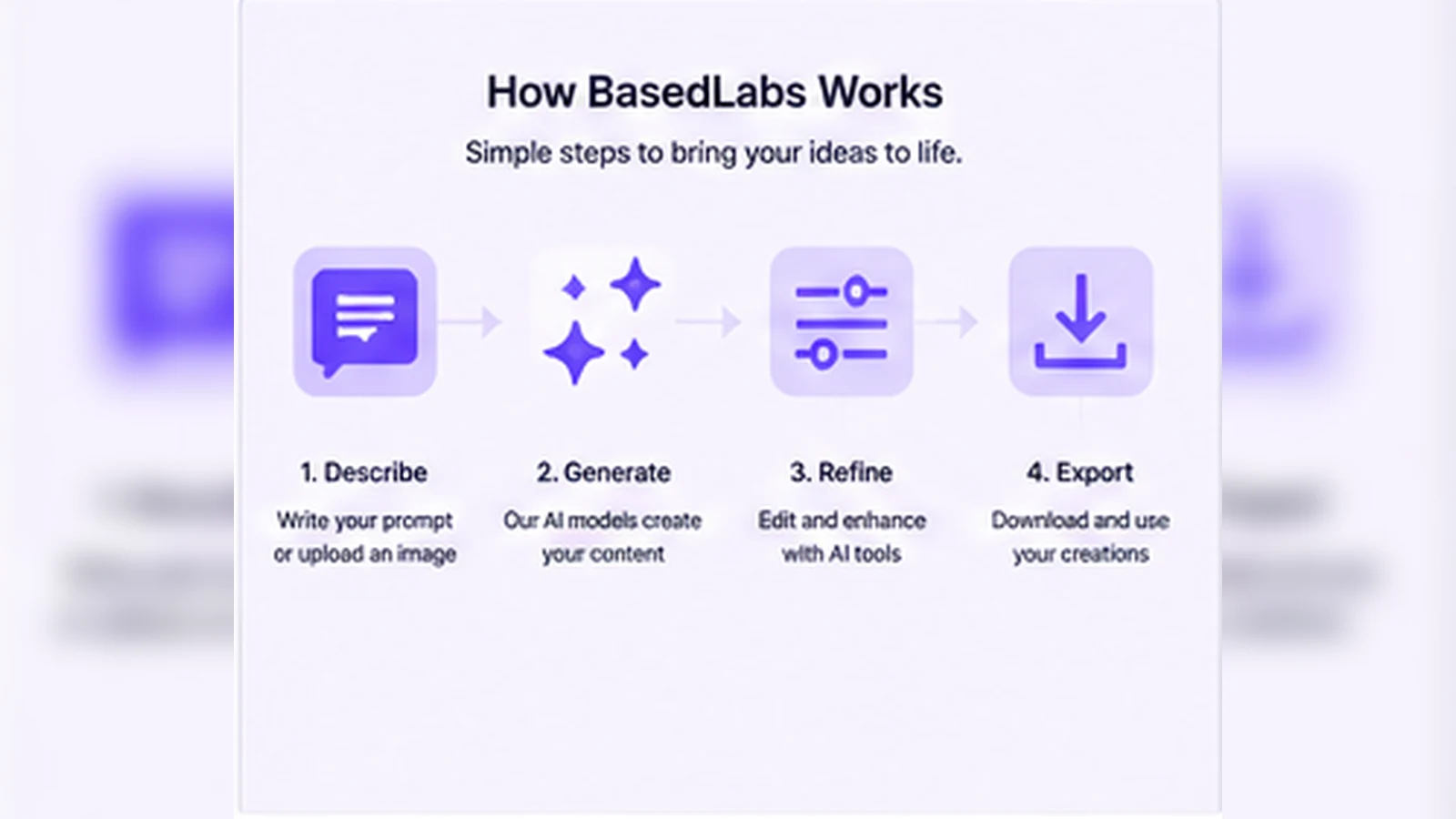
A realistic workflow looks like this:
- Define the creative task.
- Choose the output type: image, video, face swap, edit, or model test.
- Start with a free or low-friction generation path.
- Note which model is being used.
- Generate a small batch, not a full campaign.
- Check output quality, artifacts, likeness issues, and brand fit.
- Estimate how many credits the same workflow would need at real volume.
- Buy the smallest pack that can validate the next production batch.
This is where BasedLabs can be useful. It gives creators room to experiment across several creative formats without needing a full editing setup. But it still needs human judgment. AI visuals can contain artifacts, awkward motion, inconsistent faces, strange hands, off-brand style, or outputs that look impressive but do not work in a real campaign.
The tool helps most when it speeds up exploration. It helps less when the buyer expects it to replace creative direction, rights review, editing judgment, or brand QA.
Workflow check: If your first BasedLabs test produces usable creative direction, compare the current credit packs against your next real batch before scaling usage.
Real-world buyer scenarios
A social creator might use BasedLabs to test three short video concepts, five thumbnail ideas, and a few AI influencer visuals before choosing what to publish. In that case, BasedLabs is useful if the outputs help the creator move faster from idea to visual direction. The buyer should verify video credit burn before assuming one pack will cover several rounds of revisions.
A marketer might use it for ad mockups or campaign concepting. This is a reasonable fit when the team needs visual options quickly and does not expect every output to become a final asset. If the brand needs strict compliance, exact product accuracy, or formal review, BasedLabs should sit earlier in the ideation process rather than at final production.
A faceless video creator may like BasedLabs because image-to-video, text-to-video, and creative model access can support fast content experiments. The risk is chasing output volume before quality is predictable. I would test one format, one model, and one publishing style before buying larger credit packs.
A small agency might consider BasedLabs for thumbnails, social variations, character concepts, or pitch visuals. That can work for exploration. It is less convincing as a complete client delivery system unless the agency has its own QA, rights review, and editing process around the outputs.
Key features that actually matter
Image generation and model access
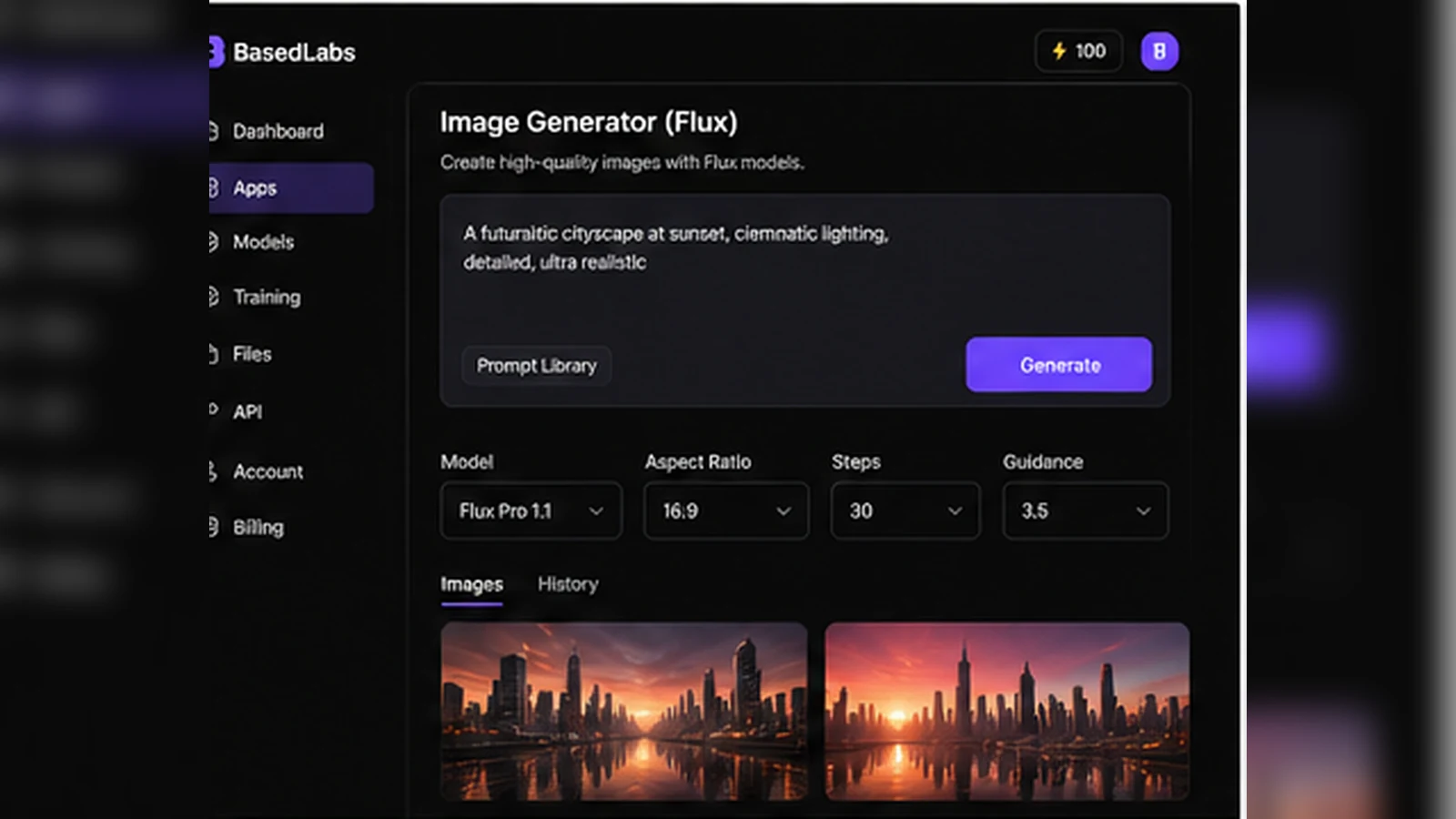
The image side is the easiest place to start. BasedLabs gives buyers a way to turn prompts into visual concepts and compare model styles. This matters for creators who need direction quickly: thumbnails, campaign mood boards, character ideas, social visuals, or background concepts.
Buyer note: do not judge value from one image. Run a few variations in the style you actually need and check whether the results stay useful across the batch.
AI video generation
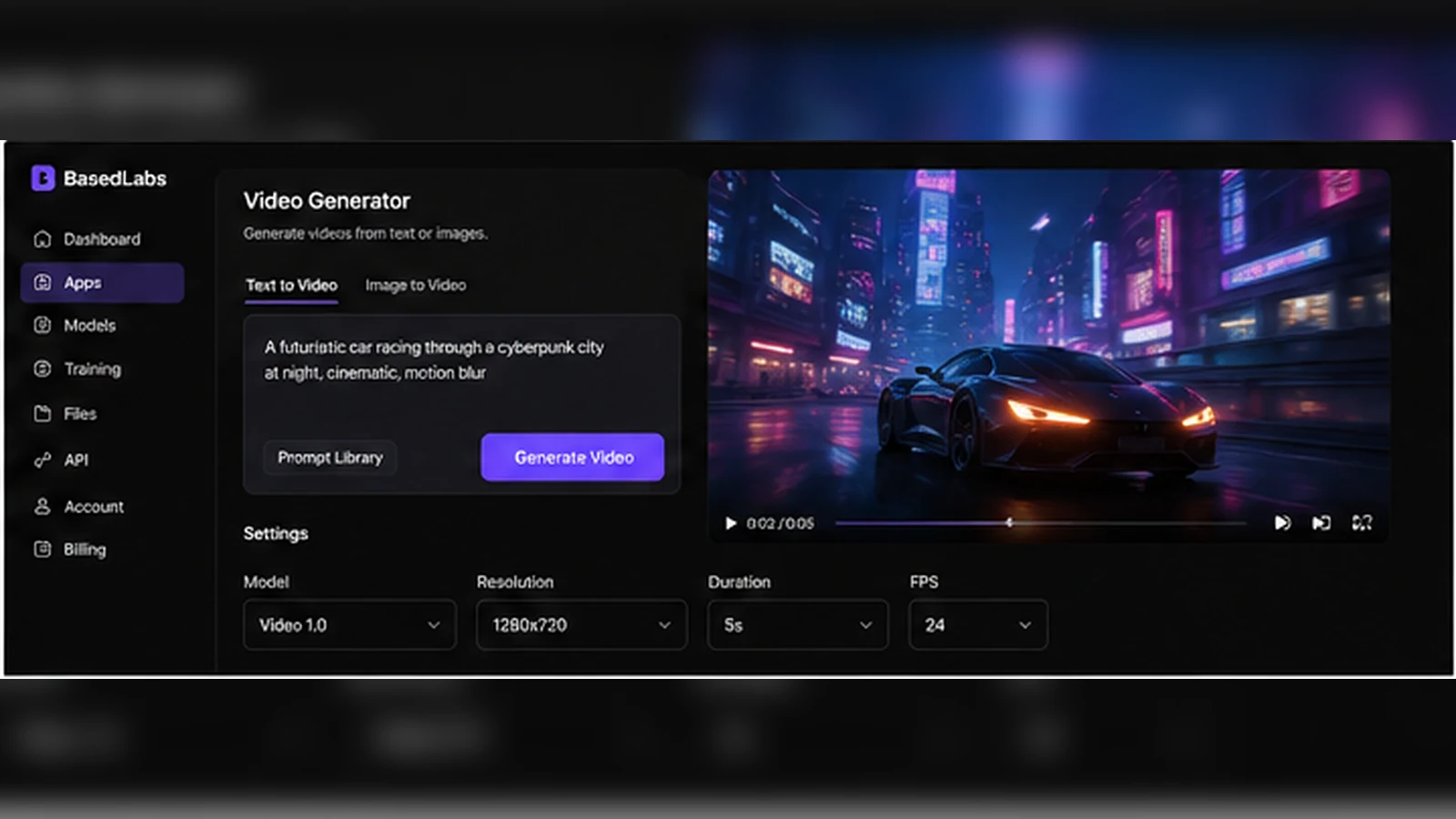
Video is the feature that can make BasedLabs more exciting, but also more credit-sensitive. The public AI video generator page positions the tool around turning text descriptions or images into dynamic video output. That can be useful for social clips, cinematic experiments, marketing visuals, and short creative tests.
Buyer note: video should be tested with credit cost in mind. The pricing page shows video model costs by second, so the budget question is not only how many credits you buy, but how long and how often you generate.
Face swap and likeness-based tools
Face swap can be useful for entertainment, character work, avatar ideas, memes, UGC-style concepts, and visual storytelling. It also creates a higher responsibility layer. If real people, client assets, recognizable faces, or public distribution are involved, the buyer needs to care about consent and rights before output goes public.
Buyer note: a tool being available does not mean every use case is safe. Check BasedLabs policies and use only media you are allowed to edit.
One-time credit packs
The one-time credit model is one of BasedLabs’ more interesting commercial choices. For creators who work in bursts, credits may feel better than another recurring SaaS bill. If you only need a batch of images or a few video tests, that can be sensible.
Buyer note: one-time pricing is not the same as predictable pricing. You still need to estimate model choice, output type, and revision count.
Enterprise and API direction
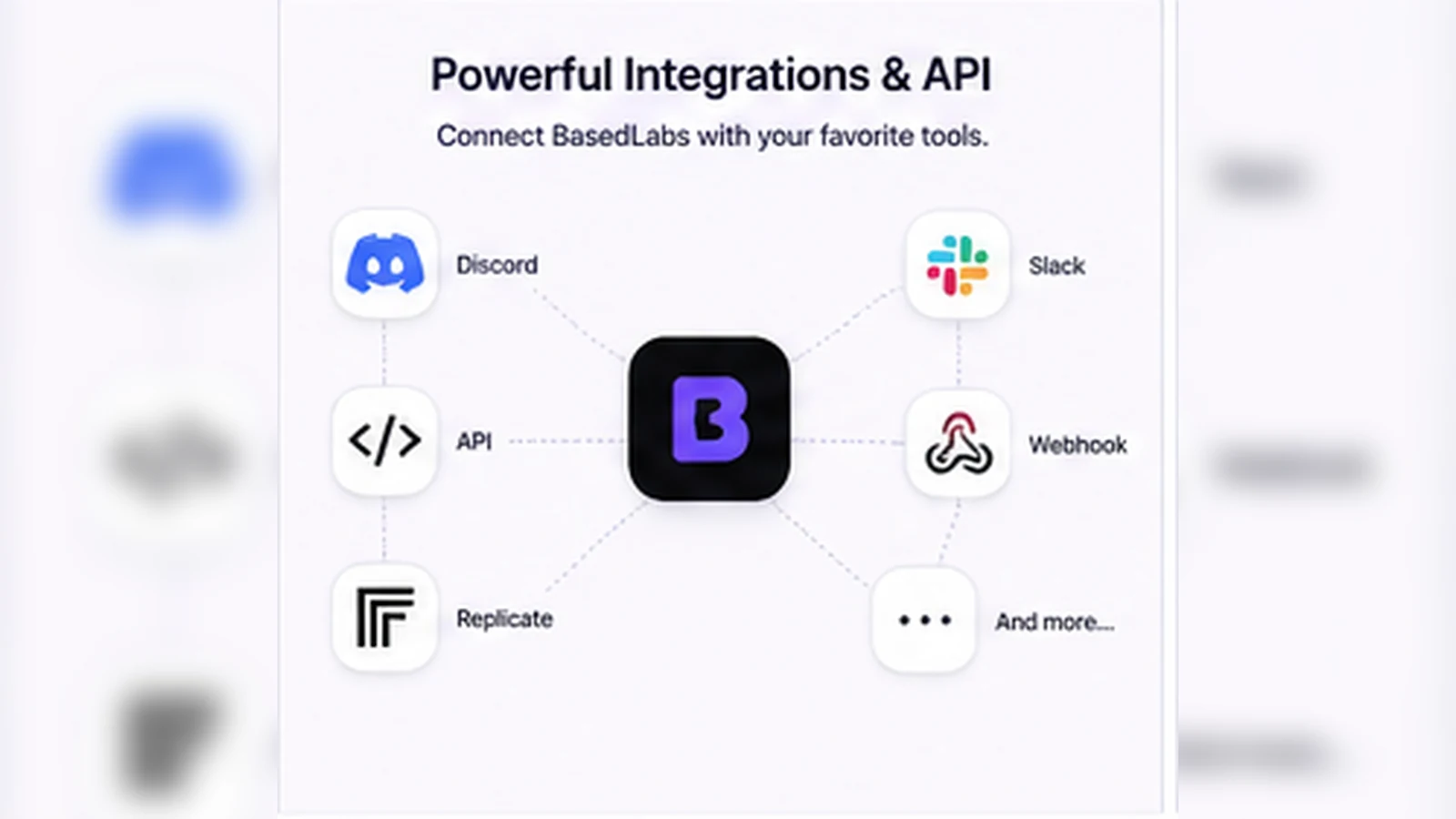
BasedLabs has public enterprise and API signals, but I would be careful about treating that as a standard feature for every buyer. Technical or production use should be verified directly with BasedLabs, especially if the workflow depends on automation, volume, support, or commercial deployment.
Buyer note: do not build a business workflow around API assumptions until access, costs, limits, and support scope are confirmed.
Pricing and plan value
BasedLabs pricing is one of the clearest parts of the buying decision, but it is also where buyers can make the easiest mistake.
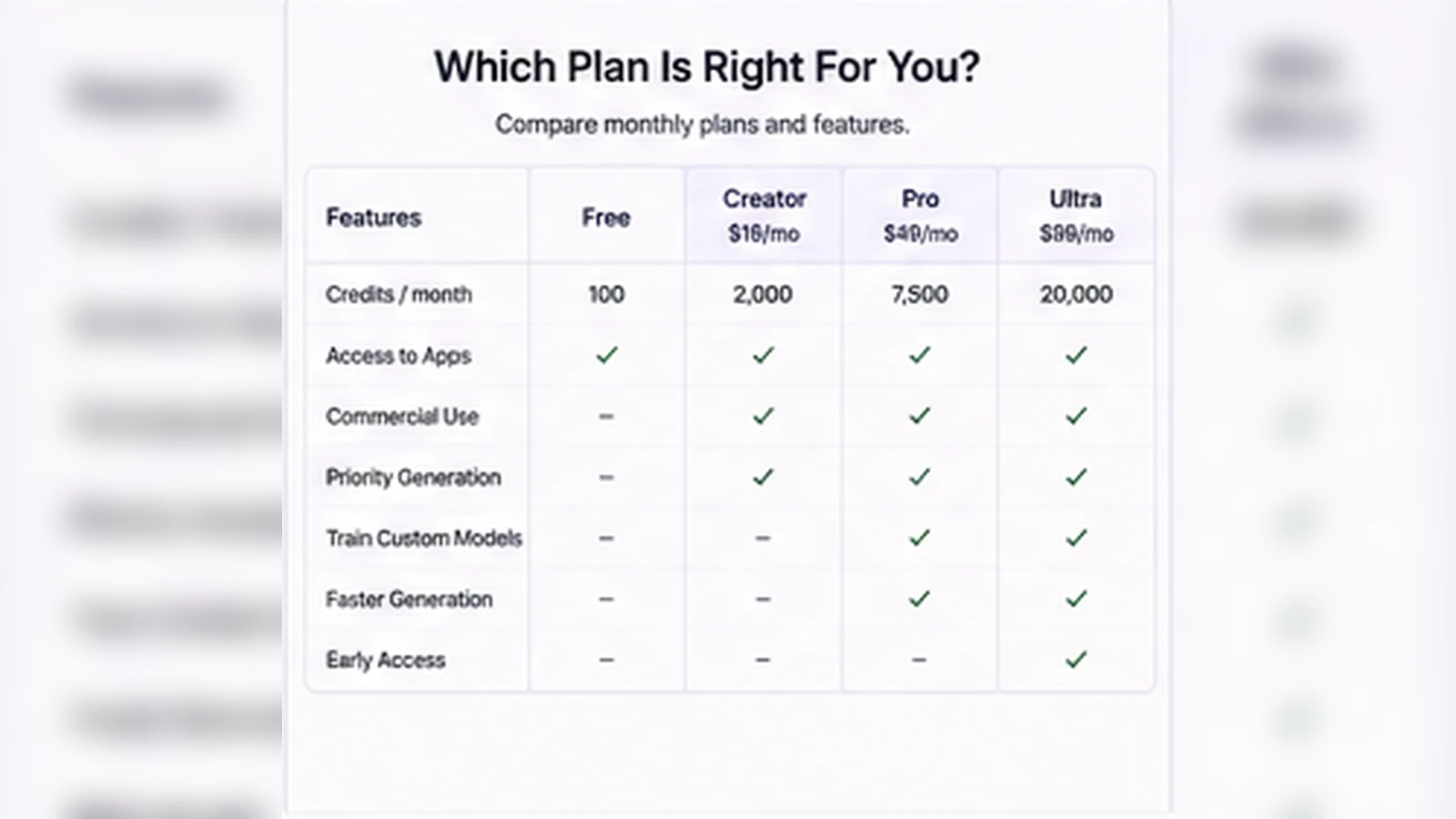
The current public pricing page presents BasedLabs as one-time credits, not recurring charges. It lists Starter at $10 for 300 credits, Creator at $29 for 900 credits, Pro at $50 for 1,600 credits, and Studio at $99 for 3,300 credits. The same page says credits can be bought by card or crypto and used whenever needed.
That is straightforward on the surface.
The part I would check carefully is credit burn. BasedLabs shows different model costs for image generation, video generation, image tools, and audio/voice. Some image models cost a small number of credits, while some editing tools and video models can cost much more. Video is especially important because certain models are priced per second.
So the question is not just “Is $10 affordable?”
The better question is: “How many real outputs will my use case need?”
Starter may be enough for light testing. Creator makes more sense for repeat creators who already know they want more than a quick experiment. Pro and Studio become more reasonable only when the buyer has proven a real workflow and expects higher volume.
Annual billing is not the issue here because the standard public pricing is not subscription-first. The risk is different: buying too many credits before output quality, model fit, and revision volume are predictable.
Pricing check: If BasedLabs still looks useful, check the current pricing page and model costs before choosing a credit pack.
Check BasedLabs pricing Check current offers Read store guide
Free plan, trial, coupon, and checkout notes
BasedLabs promotes a free entry point with free credits, no signup, and no watermarks. That is useful, but I would treat it as a workflow test rather than a complete proof of paid value.
Free access tells you whether the interface and first outputs feel promising. It may not tell you how the tool behaves across repeated generations, heavier video work, higher-cost models, or a real content calendar.
The coupon path should come after the workflow decision. A current offer can improve the purchase, but it should not be the reason you buy credits. With credit-based tools, a discount is less important than choosing the right pack size. A cheaper pack that runs out too quickly is not necessarily a better deal.
The safe checkout order is:
- Test the free generation path.
- Choose one real output type.
- Check the model credit cost.
- Estimate revisions and failed attempts.
- Read the refund policy.
- Pick the smallest pack that proves the next batch.
- Check the coupon page or active offers only after the pack choice is clear.
If the product still fits your use case, the BasedLabs coupon page can be a final deal check. It should not replace the pricing and credit calculation.
What I would check before buying BasedLabs
If I were buying BasedLabs credits for a real workflow, I would check these points before paying:
- The exact output type. Images, video, face swap, editing, and model comparison do not create the same cost profile.
- The model credit cost. The cheapest pack may be fine for image tests and too small for video-heavy work.
- Revision volume. Creative AI often needs retries. Budget for bad outputs, not only final assets.
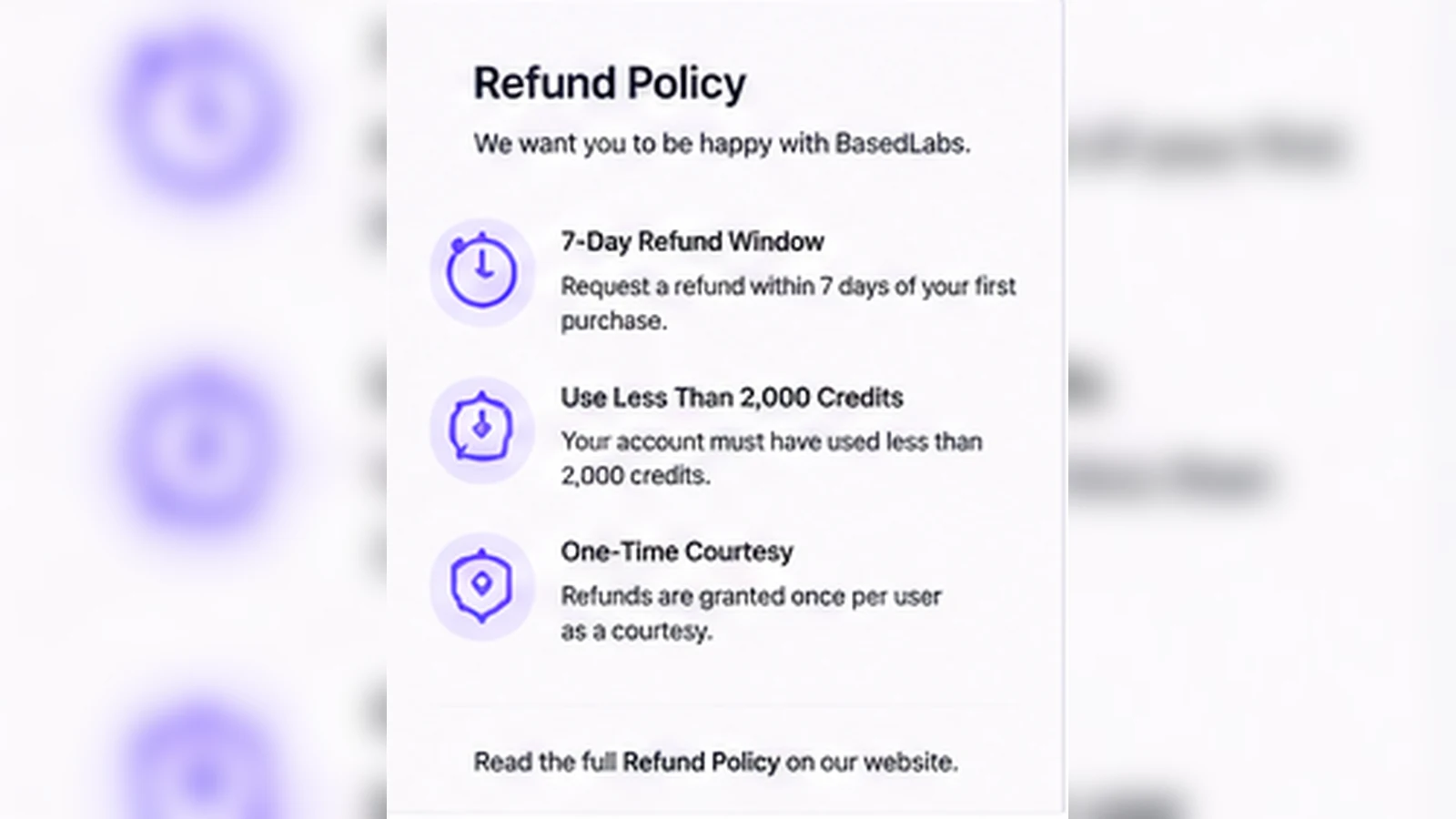
- Refund terms. The refund policy includes a 30-day request window, but it also excludes change-of-mind and failure-to-use cases.
- Content rights and likeness rules. Face swap and AI influencer workflows need consent and lawful source media.
- Commercial use expectations. The pricing page says commercial use is included, but buyers should still confirm policy fit for sensitive, client, or regulated work.
- Enterprise or API requirements. If your workflow depends on automation, custom usage, or production integration, verify access and terms before assuming it is included.
A simple test before paying
Before paying, I would run a small test like this:
- Pick one real project, not a random prompt.
- Decide whether the output should be an image, video, face swap, or edit.
- Generate a small batch using the free or lowest-friction path.
- Track how many attempts are needed before one result is usable.
- Check the model used and the credit cost for that model.
- Ask whether the output can actually be published, sold, used in a campaign, or shown to a client.
- Only then choose the smallest paid pack that covers the next real batch.
This test is intentionally boring.
That is the point. Creative AI tools can feel exciting inside the first five minutes. The buying decision becomes clearer when you test whether the tool survives a normal production task.
Pros explained
The first real pro is breadth. BasedLabs combines image generation, video generation, face swap, editing, tools, models, and public creative inspiration. That is useful for creators who do not want to open a different tool for every experiment.
The second pro is the one-time credit model. For buyers who work in bursts, that can feel cleaner than a subscription. You buy credits for a project, use them when needed, and avoid paying every month just to keep access alive.
The third pro is fast creative exploration. BasedLabs is a good fit when the buyer needs ideas, options, rough visual direction, or short-form experimentation. It can help move from “I have a concept” to “I can see a possible direction” quickly.
The fourth pro is pricing visibility. The public pricing page gives pack prices, credit amounts, approximate output ranges, and example model costs. I would still verify live pricing, but the structure is easier to inspect than tools that hide everything behind sales calls.
The fifth pro is category flexibility. A buyer can test images, video, face swap, and model styles without deciding too early which creative format will win. That flexibility has value when the real job is exploration.
Cons explained
The main con is credit unpredictability. BasedLabs gives visible prices, but the actual cost depends on model choice, output type, duration, editing needs, and retries. A creator who mostly makes still images may feel fine. A creator testing video repeatedly may burn through credits much faster.
The second con is that output quality still needs testing. BasedLabs can produce useful creative directions, but AI-generated visuals are not automatically publish-ready. Buyers should expect some artifacts, misses, and revision work.
The third con is refund sensitivity. The refund policy does not read like a casual “try it and change your mind later” guarantee. If you buy credits and simply decide the tool is not for you, that may not qualify.
The fourth con is limited team-workflow clarity. BasedLabs may work well for individuals and small creative experiments, but buyers needing approval flows, asset governance, role controls, or client collaboration should compare more structured alternatives.
The fifth con is mixed public feedback. External review data is limited, but the negative signals are enough that I would not skip the testing step. A small first test is safer than treating the public gallery or a discount path as proof.
Green flags and red flags
Green flags:
- You already know whether you need images, videos, face swaps, or model exploration.
- Your workflow is experimental, visual, and output-driven.
- You prefer one-time credits over another recurring subscription.
- You can test with a small batch before committing to more volume.
- You have your own editing, rights review, and publishing judgment.
Red flags:
- You are buying only because a deal path looks attractive.
- You need unlimited generation or predictable monthly output cost.
- You plan to create many videos without checking per-second model costs.
- You need formal team approvals, governance, or brand-safe asset control.
- You expect a refund if you simply dislike the output after buying credits.
- You plan to use real faces or client assets without checking consent and policy fit.
The strongest green flag is a defined creative batch. The strongest red flag is vague curiosity plus a large credit purchase.
BasedLabs vs alternatives
BasedLabs sits in a crowded creative AI category, so alternatives matter. The key is not to compare feature lists blindly. Compare buyer jobs.
Imagine.art vs BasedLabs
Imagine.art is the cleaner comparison when the buyer mainly wants AI image generation and creative visual output with a more focused image-first workflow. BasedLabs may still make more sense if the buyer wants images, video, face swap, and model experimentation in one place.
The tradeoff is focus versus breadth. Imagine.art can be easier to judge for image work. BasedLabs is better when the buyer wants broader creative testing.
AKOOL vs BasedLabs
AKOOL is a stronger comparison for business-facing video, avatars, translation, talking-photo, and enterprise media workflows. BasedLabs is more experimental and creator-oriented.
The tradeoff is production structure versus creative freedom. AKOOL may fit marketing teams that need business video workflows. BasedLabs may fit creators testing visual ideas across multiple AI formats.
Boolvideo vs BasedLabs
Boolvideo is more focused on ecommerce and product-video generation. That makes it more relevant if the buyer needs product videos for stores, ads, or commerce campaigns.
BasedLabs is broader. It may be better for creative exploration, but less targeted if the job is specifically ecommerce product video.
Fliki vs BasedLabs
Fliki fits buyers who want text-to-video, narration, voiceover, and content repurposing. It is a better comparison when the project starts from scripts or written content.
BasedLabs is better when the project starts from visual prompts, image generation, face swap, model testing, or short visual concepts.
HeyGen vs BasedLabs
HeyGen is an adjacent business-video route, especially for avatar, presentation, training, and business communication workflows. It is not the same buyer job as broad creative model experimentation.
I would compare HeyGen if your goal is polished avatar-led communication. I would stay with BasedLabs if your goal is visual experimentation and credit-based creative generation.
Trust, refund, and buyer-risk notes
BasedLabs has enough public information to evaluate the commercial basics: homepage positioning, pricing, refund policy, terms, privacy, and creative tools are available publicly. That is a positive sign for basic buyer research.
But the trust decision is not only about whether pages exist.
The refund policy deserves careful reading. It lists a 30-day request period, but it also says refunds are not granted for change of mind, failure to use the service, or third-party software issues. The terms also describe refunds as limited and case-dependent. For a credit-based creative tool, that means buyers should test before paying rather than relying on refund protection afterward.
Privacy and content handling also matter. BasedLabs processes user content and personal information as part of the service. That is normal for this category, but buyers using client assets, real faces, private images, or brand-sensitive material should read the privacy and terms pages before uploading anything sensitive.
AI reliability is another risk. Creative tools can produce impressive outputs and unusable outputs in the same session. That is not unique to BasedLabs, but it affects how credits should be purchased. Failed generations, revisions, and artifact cleanup should be part of the budget.
Finally, third-party feedback should be read cautiously. The public Trustpilot sample is small, but it is mixed enough to support a careful buying path. I would not use it alone to dismiss the product, and I would not ignore it either. The practical answer is to test the live workflow before buying a larger pack.
Final verdict
I would consider BasedLabs if you want a flexible creative AI workspace for image ideas, short video experiments, face swaps, thumbnails, social visuals, and model testing. It makes the most sense when you have a real creative batch to run and you prefer buying credits when you need them instead of adding another recurring subscription.
I would skip BasedLabs if you need predictable unlimited usage, formal team approvals, strict brand governance, or a refund-friendly way to experiment after purchase. I would also slow down if your work depends heavily on video, because model choice and duration can change the credit math quickly.
I would compare it with Imagine.art if your need is mostly image generation, Boolvideo if your goal is ecommerce product video, Fliki if your workflow starts from scripts and narration, and AKOOL or HeyGen if business avatar video matters more than open creative experimentation.
The safest next step is simple: test one real output first. If BasedLabs produces usable results and the credit cost matches your expected volume, a small pack can be reasonable. If the test feels inconsistent, expensive, or hard to control, a coupon will not fix that mismatch.