
Best free-entry checkpoint
GPTZero
GPTZero is the easiest first stop when you want a lighter AI detection checkpoint before committing to a heavier review workflow.
Best forlighter first-pass AI checks
Price pathFree path
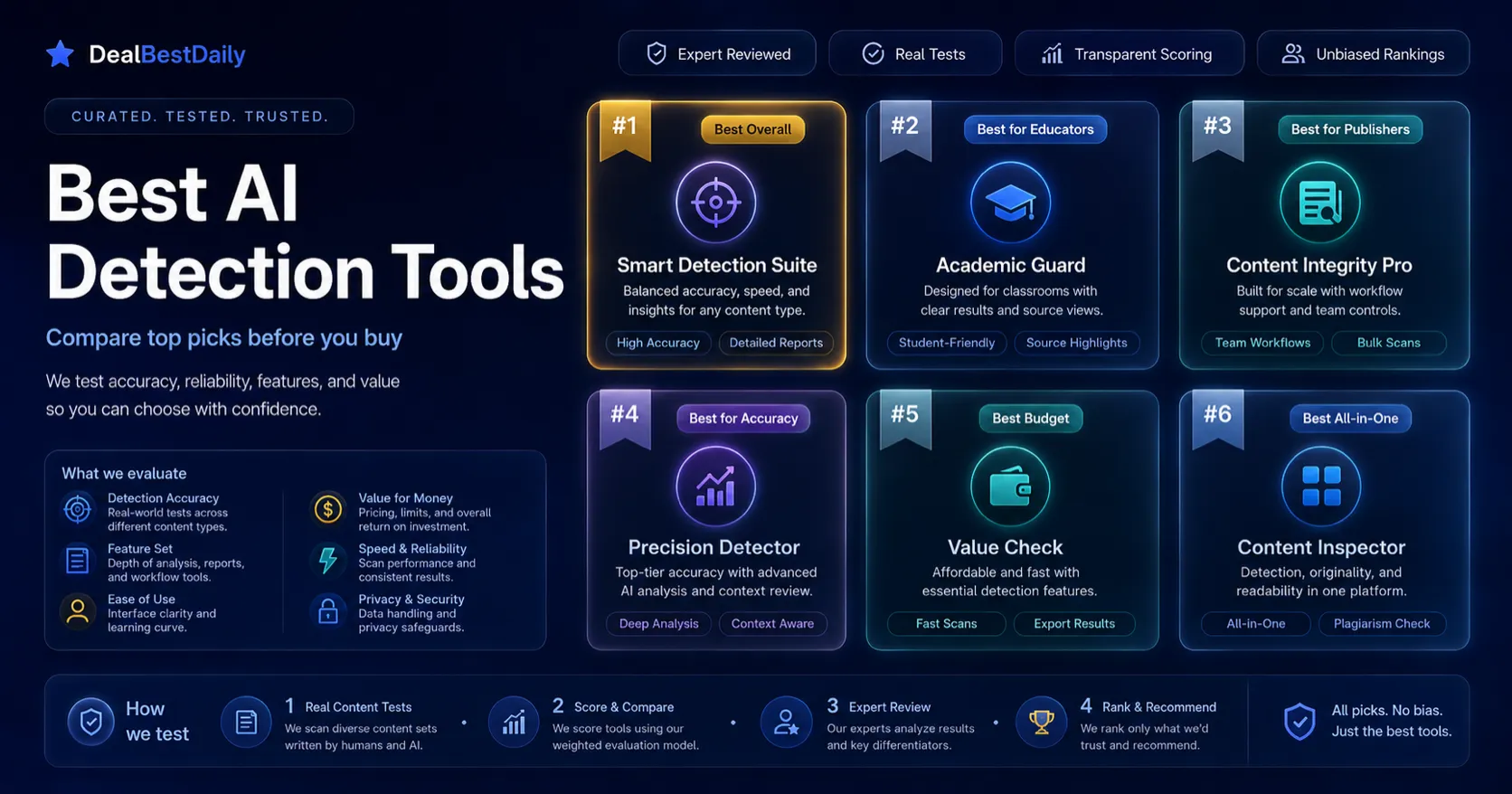
Compare the best AI detection tools by workflow fit, pricing path, governance depth, and buyer cautions before choosing a checker for editorial, classroom, or review workflows.
These cards turn the long “best tools” decision into practical routes. Pick the workflow first, then open the full mini-review or checkout path.
GPTZero is the easiest first stop when you want a lighter AI detection checkpoint before committing to a heavier review workflow.

Originality.ai is a stronger fit when the buying decision depends on recurring editorial checks, credit usage, and a clearer cost-versus-workload path.

AI Detector Pro fits buyers who want a narrower verification checkpoint without turning detection into a larger platform decision too early.
Use this table to narrow the list before opening review, coupon, or store pages. Price and discount paths still need live checkout verification.
| Tool | Best fit | Free path | Pricing signal | Main caution | Next step |
|---|---|---|---|---|---|
| GPTZero#1 | lighter first-pass AI checks | Free plan | $0/mo | you already need a formal team governance workflow | |
| Originality.ai#2 | recurring editorial review workflows | No free entry | $14.95/mo | you only want a casual free-entry checker | |
| AI Detector Pro#4 | narrow verification checkpoints | Free plan | $0/mo | your organization already needs a broader structured review system |
You do not need to inspect every tool equally. Start with the workflow you repeat most, check the tradeoff that could matter later, then use the store, review, coupon, or comparison route that matches your next decision.
Choose the tool that matches the job you repeat most often.
Read the caution before treating a tool as the obvious winner.
Use coupon and store pages only after the product fit is clear.
The best AI detection tools are not all trying to solve the same buying problem.
Some readers only need a lighter first-pass checkpoint. Some need a recurring editorial review process. Others need a more formal governance workflow where consistency, documentation, and team use matter more than quick experimentation.
That is why this page is organized around workflow fit instead of only ranking tools by popularity.
AI detection is a tricky category because the tool is rarely the whole answer. A detector can help flag risk, but it should not become the only basis for an editorial, classroom, or compliance decision.
Before choosing, it is worth separating four questions:
The safest buyer path is to choose the tool that fits your real review process first, then check pricing, plan limits, and current deal routes second.
GPTZero is the easiest fit when you want a lighter entry point and do not want to overbuild the workflow too early.
Originality.ai becomes more interesting when AI detection is part of recurring editorial review, especially if pricing structure and repeated usage matter.
Copyleaks is better suited to formal review environments where governance, team use, and repeatability are more important than a simple first check.
AI Detector Pro is the narrower option for buyers who want a focused verification checkpoint without stepping into a heavier platform decision.
Do not choose an AI detector from a discount alone.
A coupon or deal path can help after you already know the product fits, but it should not override workflow fit. Before paying, verify the current pricing page, free-plan or trial limits, credit rules, annual billing terms, and refund or cancellation terms.
If a DealBestDaily coupon page is available for a tool, use it as a final checkout check rather than the first reason to choose the product.
For a light first pass, start with GPTZero. For recurring editorial review, compare Originality.ai more carefully. For structured governance or institutional workflows, Copyleaks deserves a closer look. For a narrower verification checkpoint, AI Detector Pro may be enough.
The important part is not picking the most famous detector. It is picking the detector that fits the way your team will actually use it.
Each pick below works as a mini decision card. Open the direct deal only when the fit is already clear; otherwise use the review, store, or comparison route first.
GPTZero is the easiest first stop when you want a lighter AI detection checkpoint before committing to a heavier review workflow.
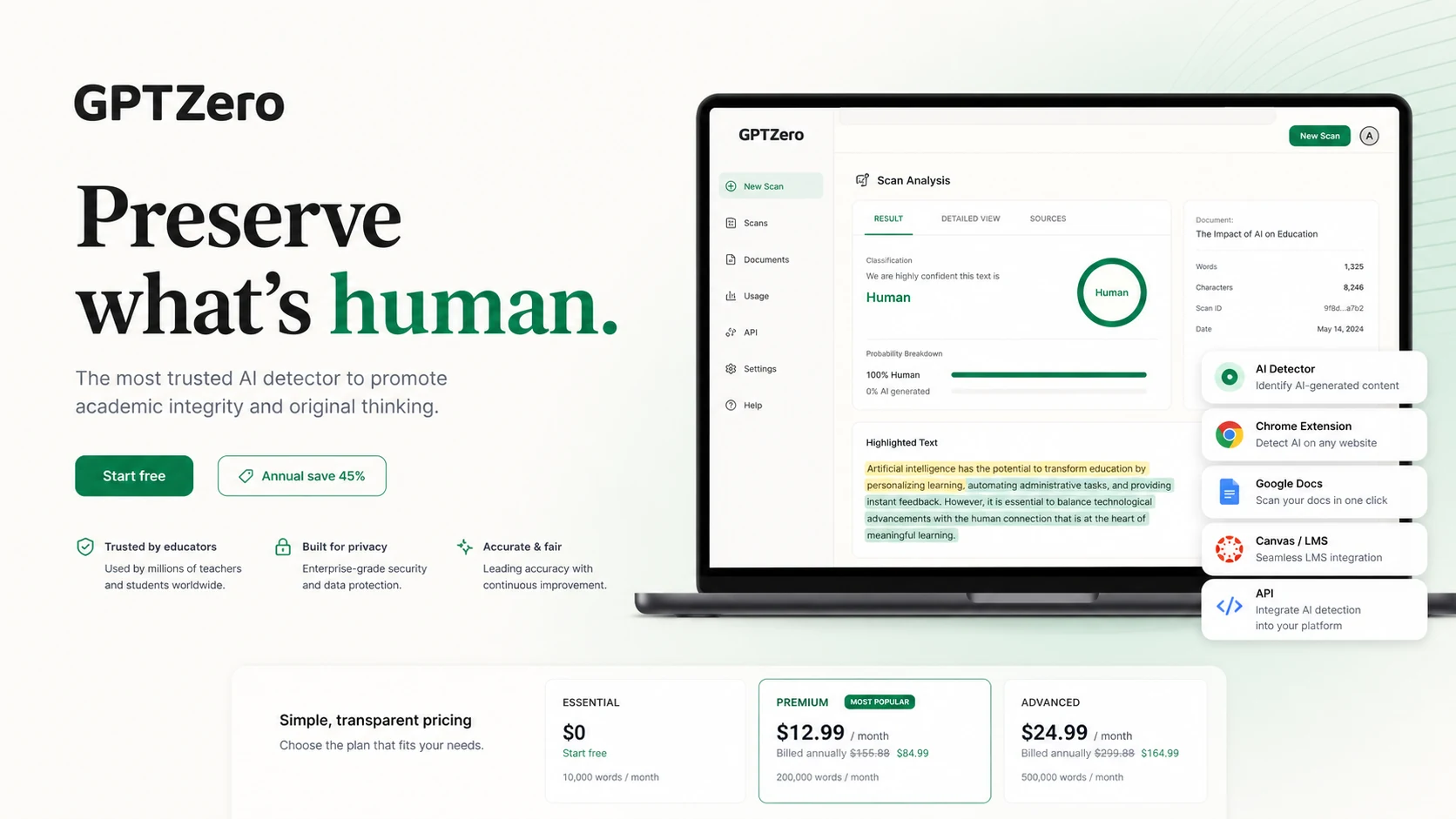
GPTZero belongs near the top of this shortlist because many buyers do not need a full governance system on day one. They need a practical way to test whether AI detection fits their workflow at all.
Originality.ai is a stronger fit when the buying decision depends on recurring editorial checks, credit usage, and a clearer cost-versus-workload path.
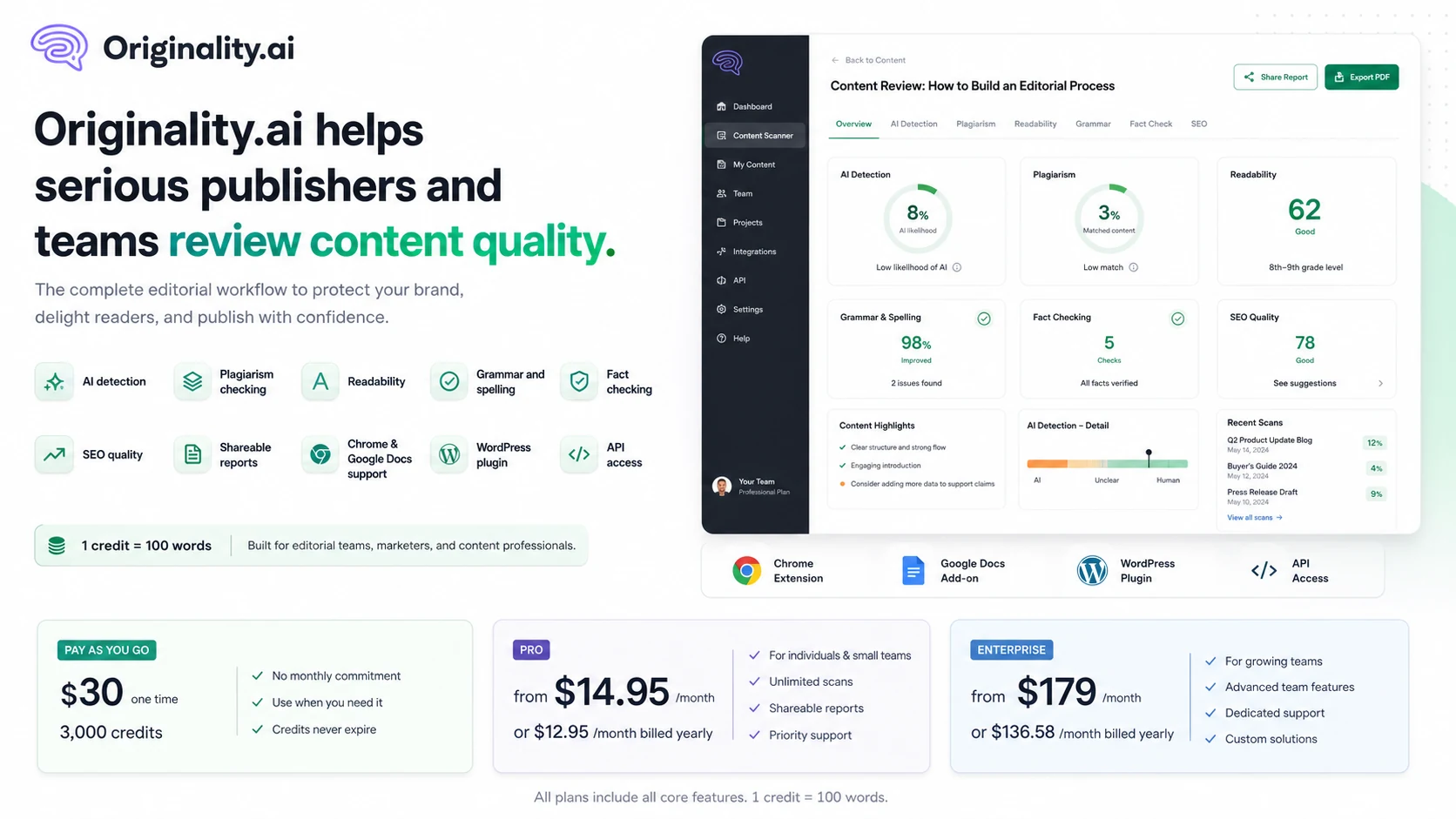
Originality.ai makes sense for buyers who are not just asking “does this detect AI?” but also “how does the pricing model fit repeated editorial review?” That makes it especially relevant for publishers, agencies, and content teams.
AI Detector Pro fits buyers who want a narrower verification checkpoint without turning detection into a larger platform decision too early.
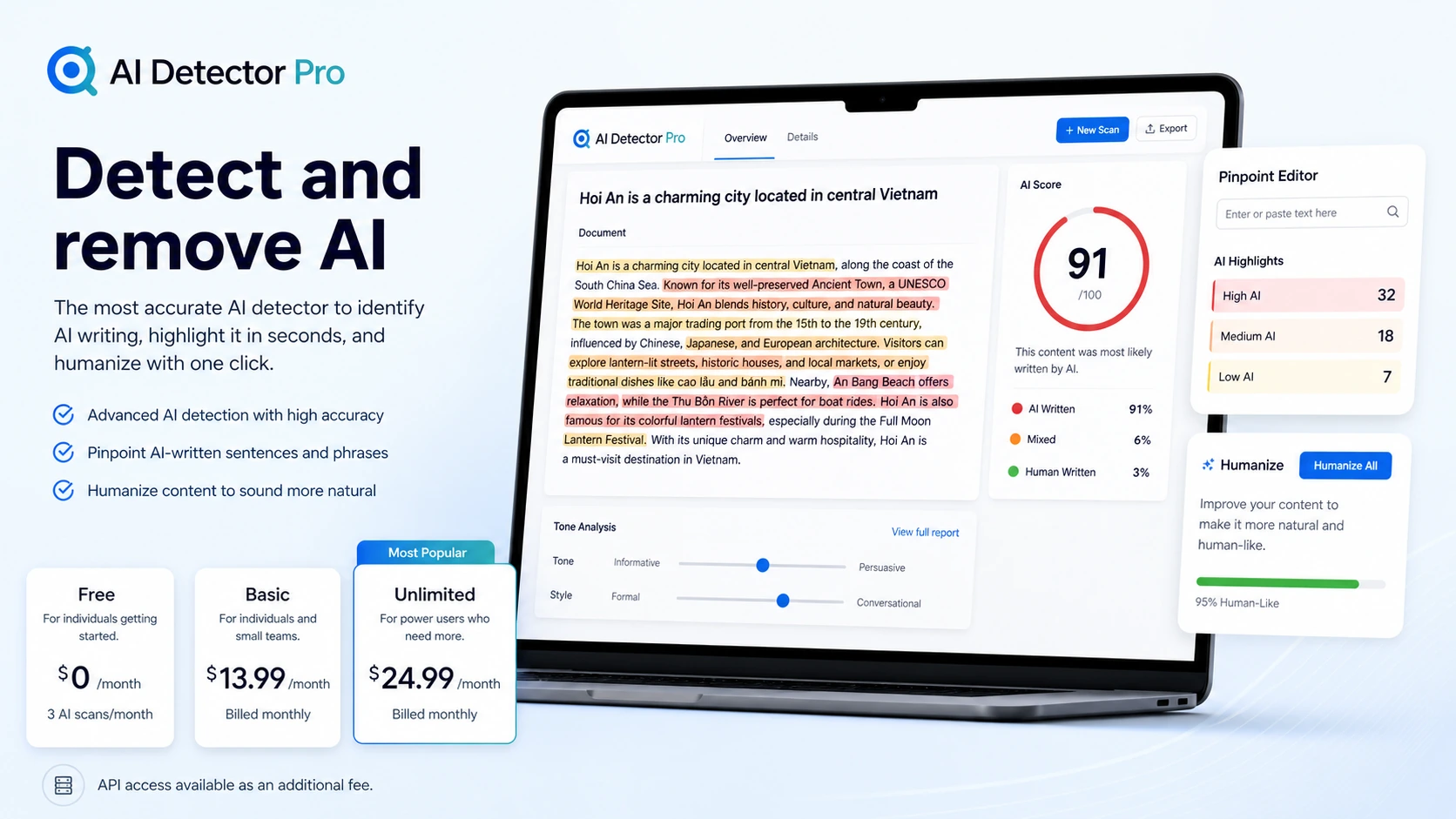
AI Detector Pro is useful for readers who want focused AI-content verification, not a broad operational system. That makes it a reasonable smaller-scope option in a category that can quickly become too heavy.
Run this checklist before turning a shortlist recommendation into a paid checkout decision.
Start with the tool that fits your workflow, not the largest discount headline.
Open the store or review page when you still need feature, pricing, refund, or plan-limit context.
Use coupon pages only after the shortlist is narrow enough that the product already makes sense.
Verify free-plan, trial, credit, usage, and annual-billing limits on the live checkout page.
Compare at least two tools if the category fit is still unclear or the top pick feels too expensive.
When two tools look close, a direct comparison usually gives a cleaner answer than another broad roundup.
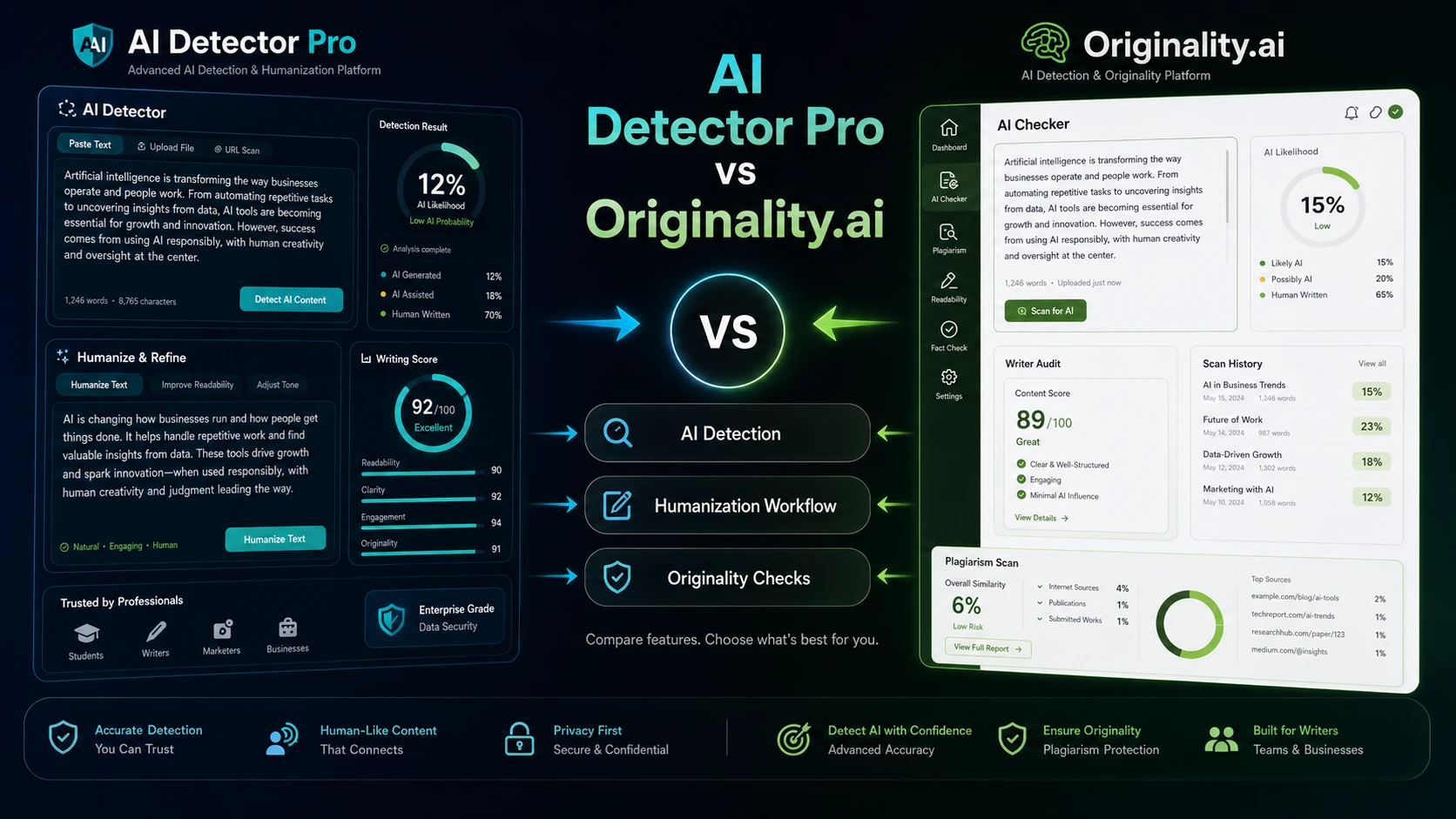
Compare AI Detector Pro and Originality.ai for draft cleanup, publisher QA, pricing fit, team workflow, and checkout risk before choosing.
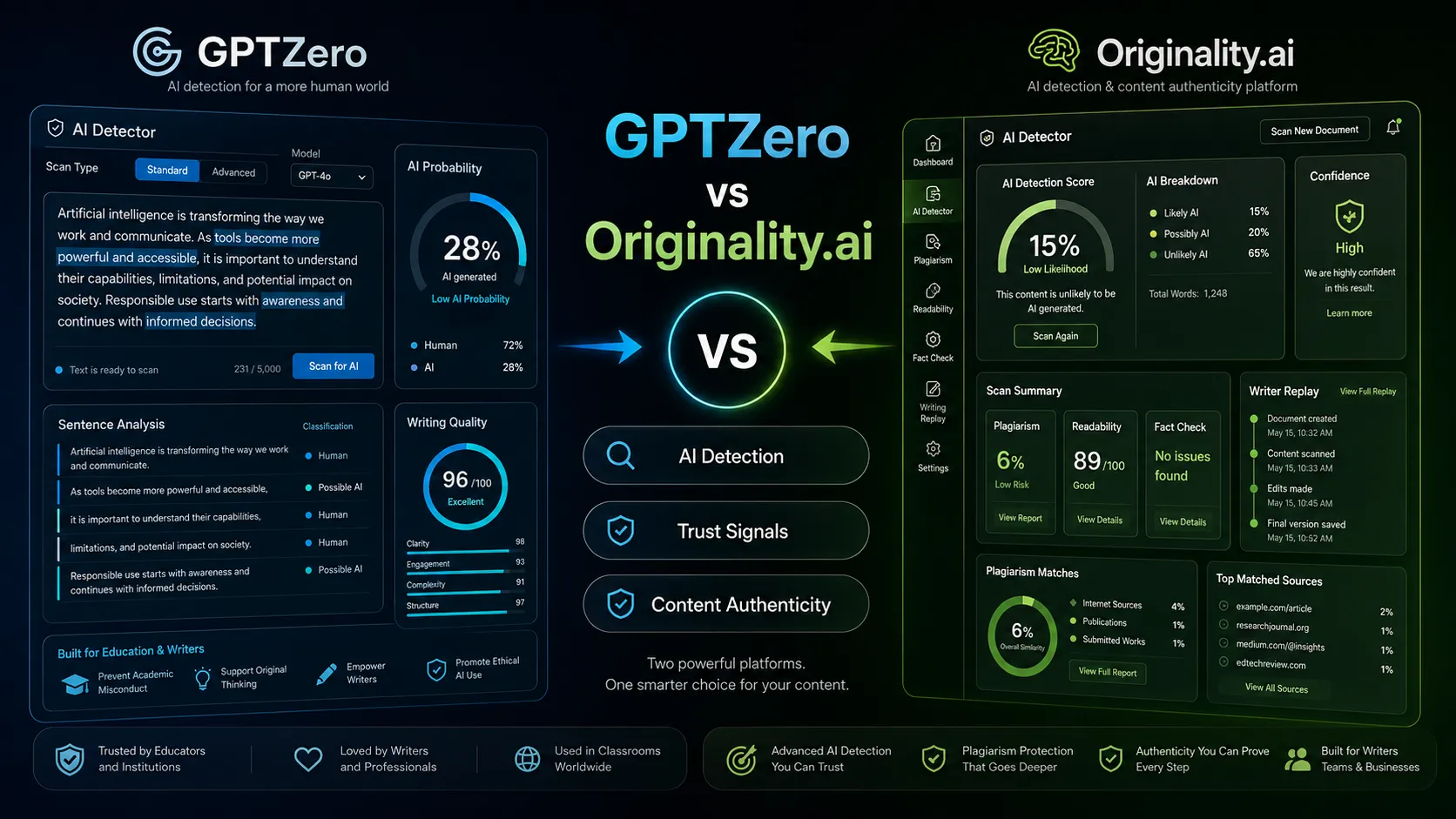
Compare GPTZero and Originality.ai by free-first detection, publisher QA, pricing structure, reporting, integrations, and buyer risk before choosing.
The best AI detection tool depends on the workflow. GPTZero is easier to approach as a lighter checkpoint, Originality.ai is stronger for recurring editorial review, Copyleaks fits governance-heavy workflows, and AI Detector Pro is better for narrower verification use cases.
No. Coupons can help reduce cost, but the first decision should be workflow fit. Choose the tool that matches your checking process, then verify pricing, plan limits, and any current coupon path before paying.
Check current pricing, free-plan or trial limits, usage caps, credit rules, refund terms, team features, and whether the tool fits light checking, recurring editorial review, or formal governance.
No AI detector should be treated as a perfect final judge. They are better used as review signals inside a broader editorial, academic, or policy workflow.

Practical affiliate editor focused on realistic reviews, store architecture, and offer-aware buying paths.