Quick verdict
PiPiAds is worth considering if your marketing workflow already depends on studying TikTok, Facebook, ecommerce, dropshipping, app, game, drama, or AI SaaS ads before launching your own tests.
That condition matters more than the feature list.
PiPiAds looks attractive because it gives buyers a large ad research environment: AI ad search, TikTok and Meta ad discovery, product winners, advertiser monitoring, store intelligence, scripts, hooks, image search, ranking views, and tracking tools. For a media buyer or ecommerce operator who researches ads every week, that can save time and reduce creative guesswork.
But I would not treat PiPiAds as a casual inspiration tool. The paid value depends on usage rhythm. If you search a few ads, save a few ideas, and do nothing with them, even the entry plan can feel expensive. If you turn ad examples into product validation, hook testing, landing page analysis, competitor monitoring, and repeat creative briefs, the subscription becomes easier to defend.
The main strength is its focused fit for TikTok and Facebook-heavy ad intelligence. The main caution is the credit model. A monthly price is only part of the decision; buyers also need to understand credit allocation, creative detail access, tracker limits, user seats, cancellation terms, and whether the trial is deep enough to judge real workflow value.
For my money, the safest path is simple: test your real niche first, model weekly credit usage, then compare PiPiAds with Minea, BigSpy, AdSpy, and Dropispy before choosing a larger plan.
Next step: If PiPiAds looks useful for your ad research workflow, verify the current buyer route before treating any promotion as the real deal.
Review snapshot
| Review point | Practical take |
|---|---|
| Best for | Ecommerce sellers, DTC teams, TikTok Shop operators, dropshipping researchers, media buyers, and agencies that study ads repeatedly |
| Not ideal for | Casual users who only want a few creative ideas or buyers without a product testing process |
| Main use case | Finding ad creatives, product signals, hooks, scripts, landing pages, advertiser activity, and competitor patterns before launching tests |
| Pricing note | Public pricing has shown a Basic plan from $49/month, but buyers should verify live pricing, credits, and checkout terms |
| Trial path | Useful for orientation, but not enough to assume paid detail depth without checking access limits |
| Main strength | Strong TikTok and Facebook ad intelligence positioning with ecommerce and campaign research depth |
| Main concern | Credit consumption, detail-view costs, refund clarity, and whether your niche has enough useful data |
| Direct alternatives | Minea, BigSpy, AdSpy, Dropispy |
| Best next step | Search your real niche before choosing a monthly, annual, Flexible, or Enterprise route |
What is PiPiAds?
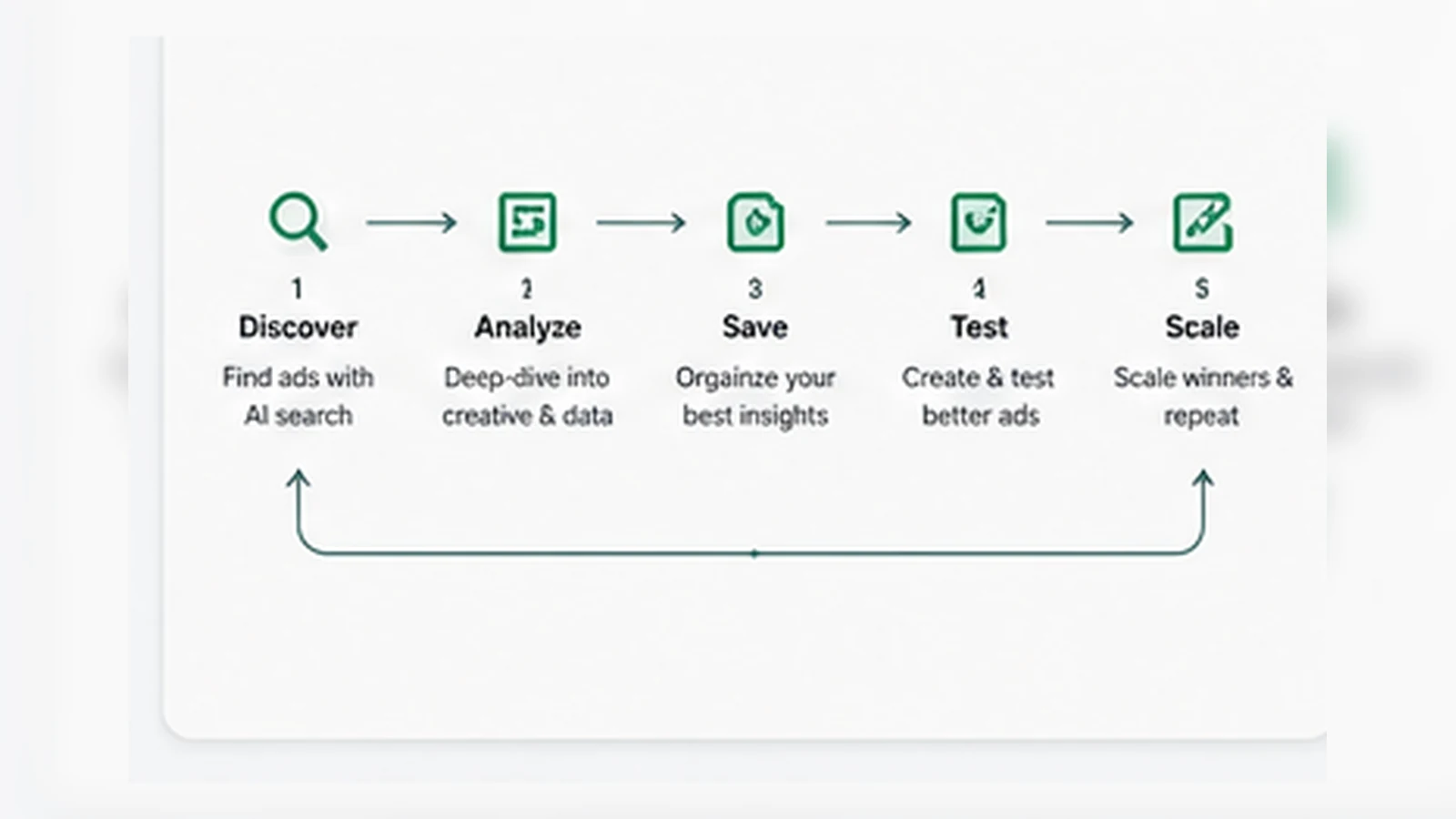
PiPiAds is an ad intelligence and ad-spy platform built around TikTok and Facebook-heavy research. In plain buyer language, it helps marketers search ads, inspect creative patterns, track advertisers, study products, watch trends, and collect ideas before spending money on their own campaigns.
The current public positioning leans into AI-powered ad search across ecommerce, DTC, dropshipping, TikTok Shop, apps, games, short drama, AI products, and other paid-ad categories. It also presents tools for ad rankings, image search, product discovery, advertiser monitoring, store intelligence, scripts, hooks, landing page analysis, and competitor tracking.
That makes PiPiAds more than a swipe file.
A swipe file helps you save inspiration. PiPiAds is more useful when it becomes part of a decision process: what product is moving, which hooks repeat across competitors, what landing page pattern keeps appearing, which advertiser is scaling, and what creative angle deserves a test.
The common wrong expectation is thinking PiPiAds will tell you exactly what to sell or exactly which ad to copy. That is risky. Ad intelligence can reduce guesswork, but it does not remove the need for product judgment, offer testing, audience fit, creative adaptation, landing page quality, and budget discipline.
Our review approach compares public product pages, pricing signals, commercial fit, buyer workflow, caution points, and nearby alternatives. I would not treat a coupon, credit bundle, or homepage claim as proof that PiPiAds fits the buyer. The better question is whether the tool improves the decisions you already make every week.
Who should use PiPiAds?
PiPiAds is a good fit for ecommerce and DTC marketers who need to understand what competitors are testing before they build their own creative queue. If your team already reviews ads, saves hooks, studies landing pages, and tests new angles regularly, PiPiAds can make that research faster and more organized.
It also makes sense for dropshipping sellers and TikTok Shop operators who need product signals, trending creatives, and advertiser patterns. The condition is important: you still need a validation process. A product appearing in ad research does not automatically make it a good product for your store.
Media buyers may also benefit if they need a repeatable source of campaign inspiration before launching tests. In that workflow, PiPiAds can help identify patterns worth adapting, but it should not become a shortcut for copying ads without understanding audience, offer, and funnel context.
Agencies can consider PiPiAds when multiple client niches require competitor monitoring. This is where user seats, tracker limits, and credit volume matter more than the headline monthly price. If several people will use the platform, the buyer should evaluate the Flexible or higher-credit paths carefully.
App, gaming, short-drama, and AI SaaS teams may also find value if their category has enough relevant ad examples. I would test category depth before paying. A tool can be excellent in one niche and thin in another.
Who should avoid PiPiAds?
I would be careful with PiPiAds if you only need occasional creative inspiration. A subscription ad-intelligence platform can become expensive browsing if you do not have a repeatable testing habit.
Beginners with no ad budget should also slow down. PiPiAds can show what other advertisers are doing, but it cannot replace learning offer structure, landing page basics, creative testing, audience targeting, and simple campaign economics.
Teams that need a broader all-platform ad spy suite should compare alternatives first. PiPiAds has expanded beyond TikTok-only positioning, but its strongest buyer story still sits around TikTok, Facebook, ecommerce, product discovery, and competitive ad research. If you need YouTube, Google, Pinterest, native, display, or wider network coverage, BigSpy or another broader platform may be a better comparison.
Buyers who need clear refund protection should also verify terms before paying. I did not find a buyer-friendly refund window clear enough to rely on without checking the current service agreement, checkout terms, and support route.
Finally, avoid buying PiPiAds only because a discount banner or coupon route looks attractive. A discount can improve a good purchase. It cannot fix a weak workflow.
How PiPiAds fits into a real workflow
PiPiAds makes the most sense when it sits before creative production and media spend.
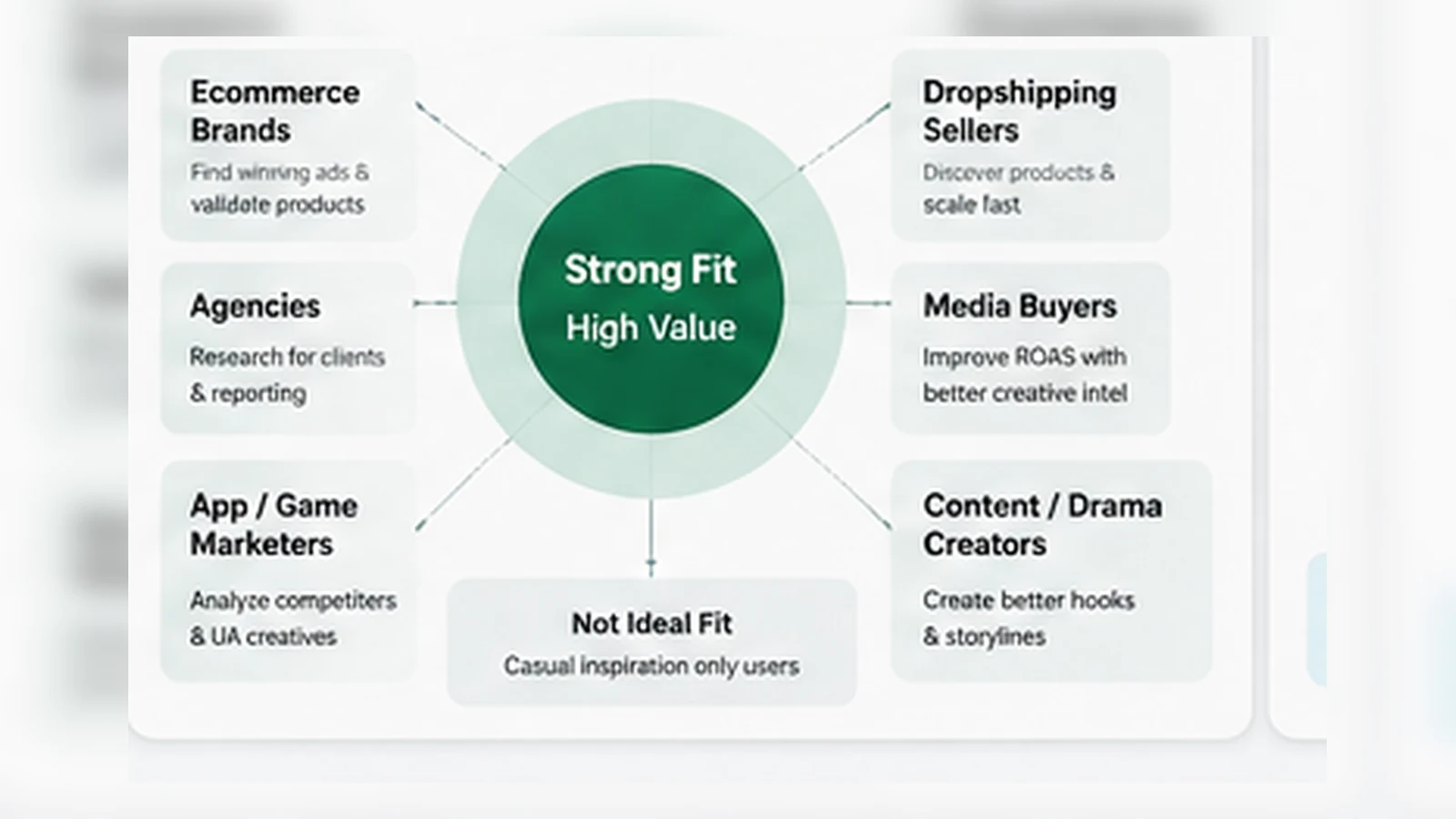
A practical workflow looks like this:
- Start with a product, niche, client category, or competitor list.
- Search for relevant ads by platform, category, keyword, creative type, product, or advertiser signal.
- Save examples by angle, hook, offer, format, landing page, and campaign pattern.
- Inspect creative detail only when the ad is relevant enough to justify the credit usage.
- Compare repeated patterns across advertisers instead of copying one isolated ad.
- Turn the research into a testable creative brief.
- Launch a controlled test, then return to PiPiAds for more competitive monitoring.
That last point matters. PiPiAds is not most valuable when you open it once. It becomes useful when the research loop repeats.
The easy mistake is treating an ad spy tool like a vending machine for winning products. The better use is slower: collect evidence, compare patterns, build hypotheses, then test.
Workflow check: If you cannot name the niche, product type, competitor set, or weekly research routine you will use inside PiPiAds, start with the trial before choosing a paid plan.
Real-world buyer scenarios
A dropshipping seller looking for product validation
A dropshipping seller may use PiPiAds to find products gaining ad traction, inspect creative angles, and compare store or landing page patterns. This can help avoid choosing products based only on social media noise.
Where it can fail is imitation. If the seller simply copies a trending product without checking supplier quality, margin, audience fit, shipping, offer strength, and creative differentiation, the research does not protect the budget.
A DTC brand building a new creative testing queue
A DTC team can use PiPiAds to study hooks, UGC-style formats, product demos, competitor claims, and landing page angles before briefing creators or editors.
The value here is not “find one winning ad.” The value is building a stronger creative backlog. If the team already has a testing cadence, PiPiAds can reduce blank-page work. If the team does not test consistently, the platform may not pay for itself.
A small agency monitoring multiple client niches
An agency may use PiPiAds to watch advertiser activity across several categories and turn that research into client recommendations. This is a more believable paid use case because the same subscription can support multiple strategy conversations.
The risk is credit usage. Agencies should model weekly searches, detail views, tracked advertisers, and user seats before assuming the entry plan is enough.
An AI SaaS or app team checking competitor ad angles
PiPiAds may also help app, gaming, drama, and AI product teams study how competitors position offers in paid social ads. That can be useful before launching or refreshing a campaign.
But the team should test whether PiPiAds has enough relevant examples in its category. A rich ecommerce dataset does not automatically mean every SaaS or app niche will have the same depth.
Key features that actually matter
AI ad search and ad library access
The core feature is the ability to search ads and find examples across TikTok, Facebook, and related Meta-style ad inventory. This matters because paid social strategy often improves when marketers can see what is already being tested in the market.
Buyer note: the search experience is valuable only if your niche returns enough relevant examples. Test real categories, not generic demo keywords.
Creative details, scripts, hooks, and landing page signals
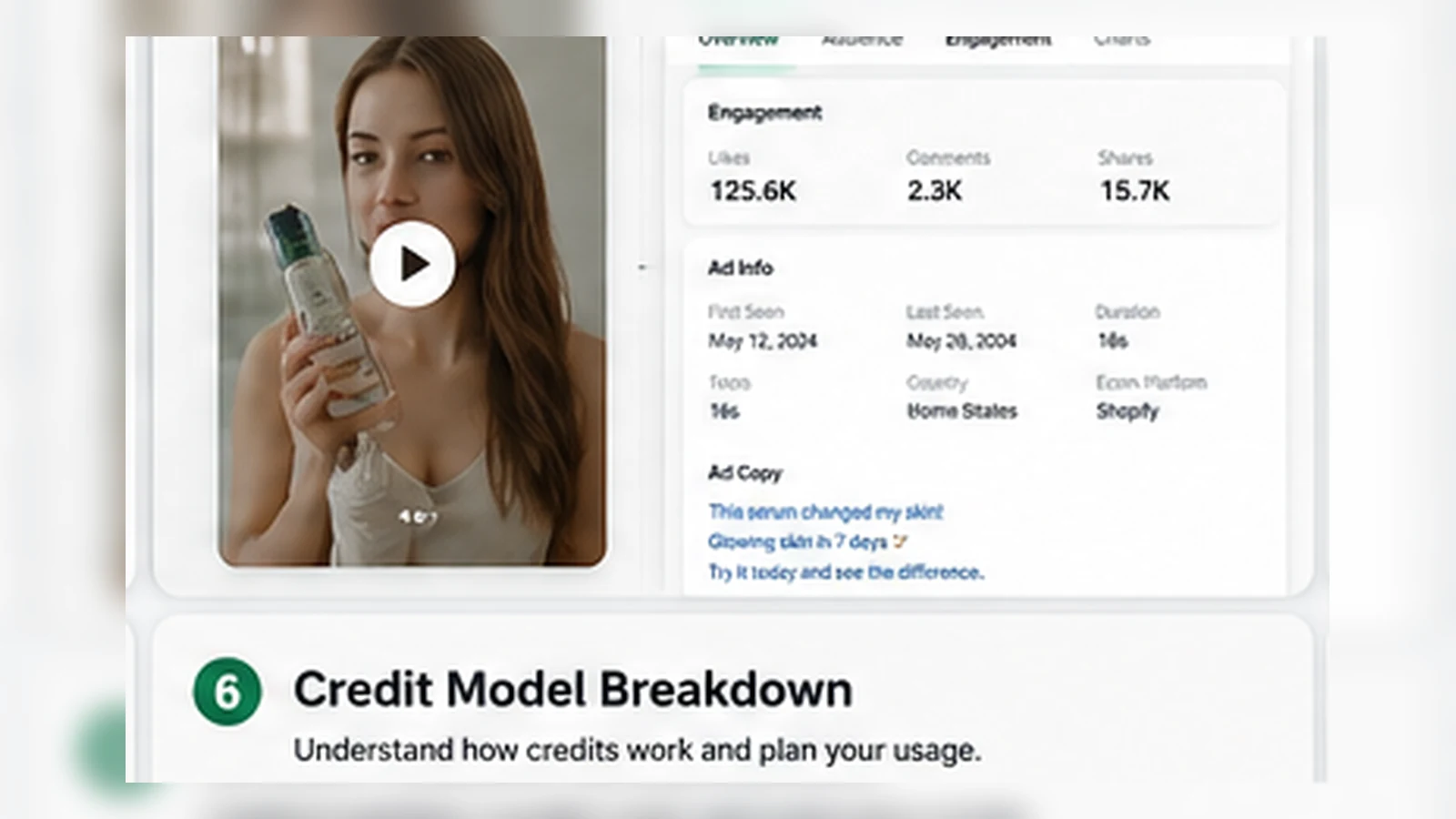
PiPiAds becomes more useful when the buyer moves beyond thumbnails. Hooks, scripts, landing pages, advertiser signals, and creative patterns are the pieces that can turn research into testable direction.
Buyer note: detail access can be where credits matter. Before choosing a plan, estimate how many ads you will inspect deeply each week.
Product winners and ecommerce research
For ecommerce, dropshipping, and TikTok Shop buyers, product discovery is one of the more important workflows. Seeing product movement, store activity, and creative momentum can help prioritize what deserves a closer look.
Buyer note: do not treat “winner” language as a guarantee. A product signal should start your validation process, not end it.
Advertiser monitoring and Ad Tracker limits
Competitor monitoring is useful for agencies, media buyers, and teams tracking launches across niches. If you want to understand whether a campaign is a one-off test or part of a sustained push, tracking can be more useful than a single search.
Buyer note: tracker limits and user seats should be checked before paying, especially for teams.
Image search and creative pattern discovery
Image search can help buyers find similar creatives, products, or visual patterns. This can be useful when a product format, visual hook, or UGC style keeps appearing across ads.
Buyer note: use image search to understand patterns, not to copy assets. The output still needs brand-safe adaptation.
Pricing and plan value
PiPiAds is not a tool I would judge by headline price alone.
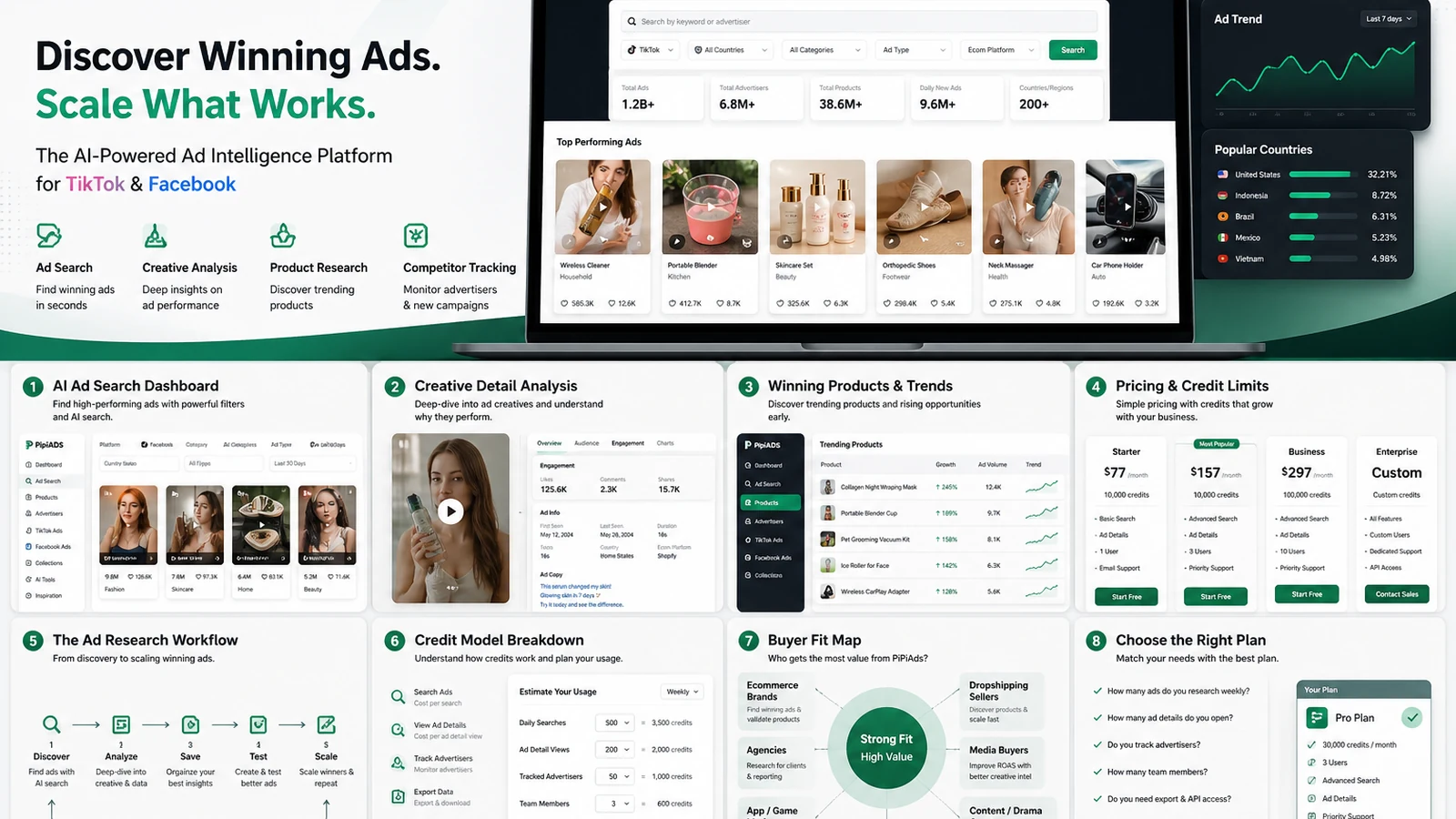
At the time of this review, the public pricing path has shown a trial option and paid subscription levels such as Basic, Advanced, Flexible, and Enterprise. The current pricing context points to a Basic plan from $49 per month with 30,000 credits, an Advanced plan from $99 per month with 100,000 credits, a Flexible path from $180 per month, and an Enterprise listing at $900 per month. Because pricing, promotional banners, and credit rules can change, buyers should verify the live pricing table and checkout before committing.
The credit model is the real decision point. A cheaper monthly plan is not automatically better if you burn through credits quickly. A higher plan is not automatically smarter if your workflow is still unproven.
The trial path is useful, but I would treat it as an orientation lane. It can help you test the interface, search your niche, and understand whether the platform contains relevant examples. It may not be enough to judge paid depth if detail access is restricted.
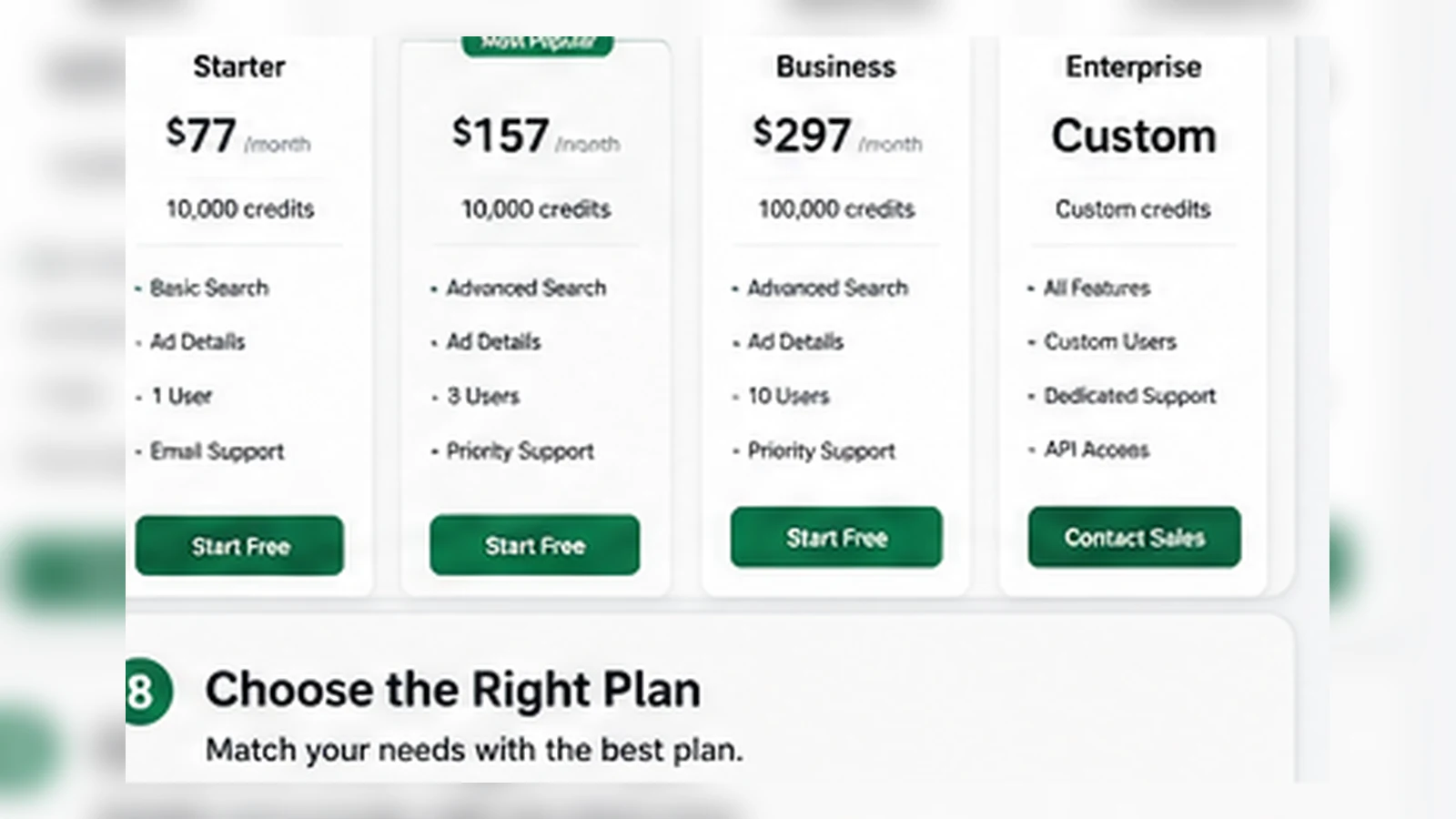
Basic is the safer first paid check for a solo marketer with a defined research habit. Advanced makes more sense when detail views, saved research, and tracking needs are clearly higher. Flexible or Enterprise paths should be modeled by user seats, credits, monitoring depth, and team process before purchase.
I would not move straight to annual billing until PiPiAds has already helped your team make better creative or product testing decisions for at least one real cycle.
Pricing check: Before paying, compare the live plan table with your expected weekly searches, detail views, user seats, and tracking needs.
Free plan, trial, coupon, and checkout notes
The trial path is useful, but buyers should be realistic about what it proves.
A trial can show whether the interface makes sense, whether your niche has relevant ad examples, and whether the search filters match your research style. It may not fully prove paid value if creative detail access, tracker usage, or credit depth is limited.
Coupon and promotion paths should be treated as secondary. PiPiAds may show official promotional banners, credit bonuses, or discount messaging, and DealBestDaily may route buyers to current offer information. That is useful after the product fit is clear.
The order I would use is:
- Search your real niche during the trial.
- Check whether the results are relevant enough to guide decisions.
- Estimate monthly credit and detail-view usage.
- Compare the current plan table with your research cadence.
- Only then check the coupon page or active offer route.
Do not let a checkout code make the decision for you. A cheaper subscription still wastes money if the tool becomes a folder of saved ads that never turn into tests.
What I would check before buying PiPiAds
If I were buying PiPiAds for a real ad workflow, I would check these points before payment:
- Whether my exact niche returns enough useful TikTok, Facebook, ecommerce, or competitor ad examples.
- How many credits are included in the plan I am considering.
- Whether viewing creative details consumes credits faster than expected.
- Whether the trial allows enough access to judge paid workflow depth.
- How many users, trackers, saved items, or monitoring slots the team actually needs.
- Whether the current service agreement explains cancellation and refund expectations clearly enough.
- Whether Minea, BigSpy, AdSpy, or Dropispy would fit my platform coverage and budget better.
The biggest mistake is choosing a plan before understanding credit behavior. The second biggest mistake is testing only broad keywords and assuming the tool will perform equally well in your real niche.
A simple test before paying
Before paying for a full plan, I would run a small test like this:
- Pick one real product category, client niche, or competitor group.
- Search ads using the same keywords and filters you would use in normal work.
- Save 10 to 20 examples by hook, product angle, offer, format, and landing page pattern.
- Inspect only the examples that could realistically become a creative brief.
- Track how many credits or detail views that workflow consumes.
- Turn three findings into actual test ideas.
- Ask whether PiPiAds helped you make a better decision than manual research would have.
If the answer is yes, a paid plan becomes easier to justify. If the answer is no, the problem may not be the tool; it may be that your ad research workflow is not defined enough yet.
Pros explained
The first real pro is focus. PiPiAds is clearly built for paid social ad research, especially TikTok and Facebook-style workflows. That focus is helpful when the buyer already knows that ad intelligence is the bottleneck.
The second pro is workflow depth. Ad search, product signals, advertiser monitoring, store intelligence, scripts, hooks, image search, and rankings give buyers several ways to move from raw inspiration to structured testing ideas.
The third pro is visible pricing structure. Even if buyers still need to verify live checkout details, the plan logic gives enough information to compare credits, users, and higher-volume paths.
The fourth pro is category range. Ecommerce, DTC, dropshipping, TikTok Shop, apps, games, drama, and AI SaaS research can all be relevant depending on the buyer’s market.
But none of these advantages matter if the buyer does not use the research repeatedly. PiPiAds is strongest as a habit, not as a one-time curiosity.
Cons explained
The first concern is credit consumption. Credit-based systems are not bad by default, but they require planning. A buyer who opens many detail views without a research process may use value quickly without producing better campaign decisions.
The second concern is trial depth. A trial is useful for orientation, but it may not reveal the full paid experience if detail access is limited. Buyers should avoid assuming that a quick trial browse proves paid ROI.
The third concern is refund clarity. I would verify service terms, cancellation steps, and support expectations before paying for a larger plan. This matters more for annual, Flexible, and Enterprise-style decisions.
The fourth concern is platform fit. PiPiAds is a strong comparison for TikTok and Facebook-heavy ad research, but not every advertiser needs that exact mix. Some buyers may need broader platform coverage, lower entry pricing, or a more specialized dropshipping suite.
Green flags and red flags
Green flags:
- You already run weekly creative or product research.
- TikTok and Facebook are core channels for your ads.
- You can turn ad examples into testable briefs.
- You need product, advertiser, landing page, hook, or competitor signals.
- You can estimate monthly credit and detail-view usage before upgrading.
Red flags:
- You are buying because a promotion looks attractive.
- You do not have a testing budget yet.
- You only need a few ad ideas once in a while.
- You cannot confirm refund or cancellation expectations.
- You need broad platform coverage beyond PiPiAds’ strongest use cases.
- You expect the tool to tell you exactly what to sell without your own validation.
A green flag does not mean you should buy the biggest plan. It means PiPiAds may deserve a serious workflow test.
PiPiAds vs alternatives
PiPiAds has several relevant alternatives, but they should not be treated as identical. The best comparison depends on the buyer’s main job: TikTok ad discovery, ecommerce product research, broad ad-spy coverage, Facebook research, or dropshipping validation.
Minea vs PiPiAds
Minea is a strong comparison when ecommerce product discovery and multi-channel product research matter as much as ad creative discovery. PiPiAds may still be the better fit if your process is more TikTok and Facebook ad-research heavy.
The tradeoff is product-research orientation versus ad-intelligence focus.
BigSpy vs PiPiAds
BigSpy is worth comparing if you want broader ad-platform coverage or a lower-cost entry route before committing to a heavier ad intelligence subscription. PiPiAds may still make more sense if TikTok, Facebook, ecommerce, and creative detail workflows are the core job.
The tradeoff is breadth versus category-specific workflow depth.
AdSpy vs PiPiAds
AdSpy remains relevant for buyers who are heavily focused on Facebook and Meta-style ad research. PiPiAds is more attractive if you want TikTok and ecommerce product signals alongside Meta-style research.
The tradeoff is Facebook-oriented depth versus a more TikTok-forward research environment.
Dropispy vs PiPiAds
Dropispy is a practical comparison for dropshipping buyers who care about store and product research, especially when budget is a concern. PiPiAds may be stronger when TikTok ad discovery and modern creative pattern tracking are the main reasons to buy.
The tradeoff is budget-friendly dropshipping research versus a broader TikTok and Facebook ad intelligence workflow.
Trust, refund, and buyer-risk notes
PiPiAds is the type of tool where the buyer risk is less about whether the product is real and more about whether the buyer will use it properly.
The official positioning is clear enough: ad search, ad library, product winners, advertiser monitoring, store intelligence, creative insights, scripts, hooks, landing pages, and tracking. The commercial question is whether those features will help your team make better decisions often enough to justify the plan.
Pricing should be verified live before checkout. Plan names, credit allocations, promotional banners, renewal prices, and detail-view rules can change. I would not rely on old third-party pricing screenshots or older review articles when the current pricing page is available.
Refund and cancellation expectations also deserve attention. If the current terms do not give you enough comfort, start smaller. Avoid jumping into a high-credit or annual route until you have proven the workflow.
Data and competitive research should be handled carefully too. PiPiAds can help you study market signals, but your team still needs to adapt ideas ethically, respect platform rules, and avoid copying ads blindly.
The safest buyer is the one who treats PiPiAds as an intelligence layer, not a campaign strategy replacement.
Final verdict
PiPiAds is a serious option for marketers who already know how to use ad intelligence.
I would consider it if TikTok and Facebook ad research are part of your weekly routine, you need better creative and product signals, and you can turn examples into actual campaign tests. I would also consider it for agencies or teams that monitor several niches and need a structured way to track advertisers, stores, hooks, and campaign movement.
I would skip it if you only want occasional inspiration, have no testing budget, need a broader all-platform ad spy suite, or cannot verify the credit model and refund expectations well enough to feel comfortable.
I would compare it with Minea if product discovery is central, BigSpy if platform breadth matters, AdSpy if Facebook research is the main job, and Dropispy if dropshipping research and budget are bigger concerns.
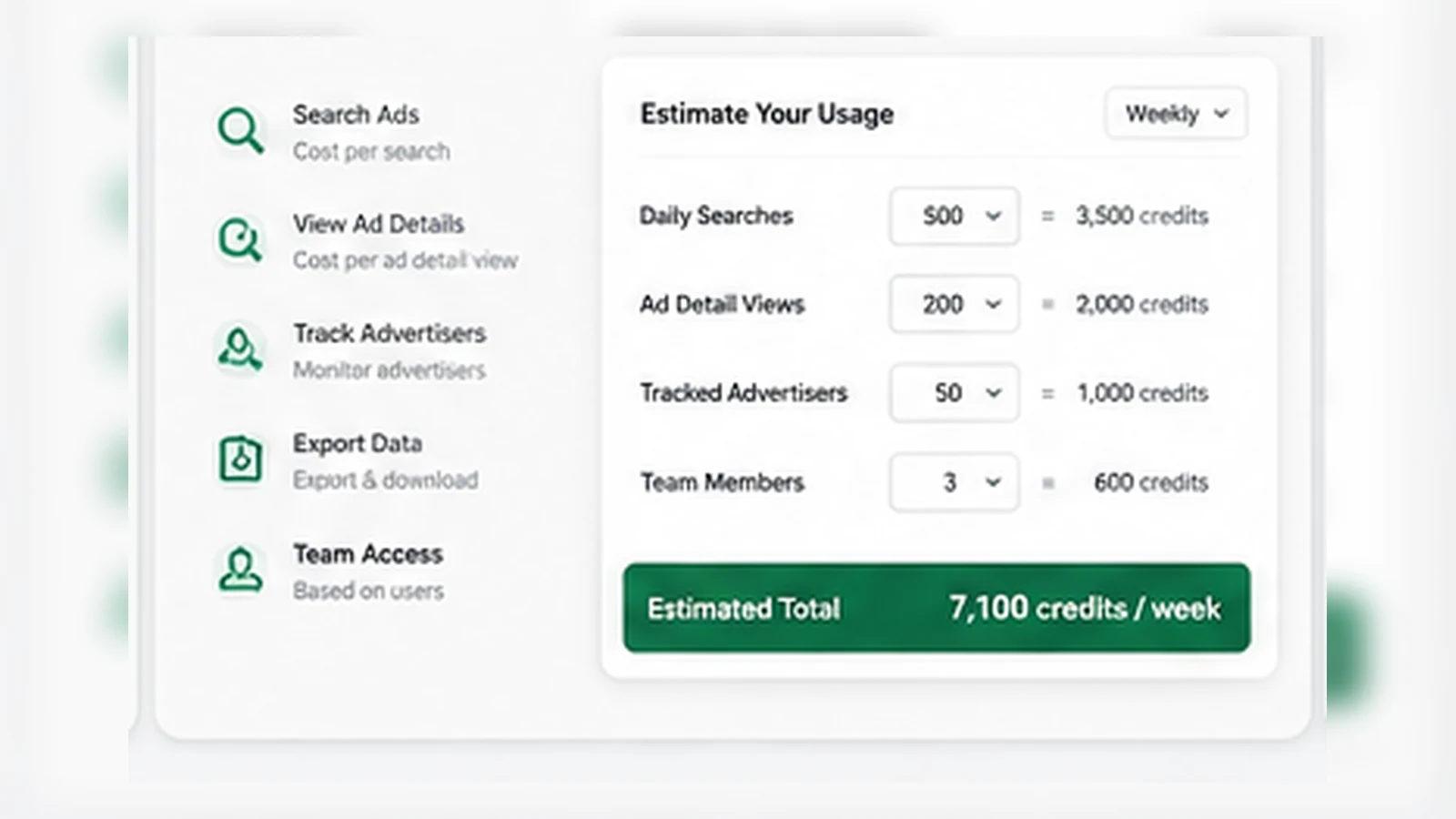
The safest next step is not to buy the largest plan immediately. Search your real niche, estimate credit usage, compare alternatives, and choose the smallest plan that can prove value inside your actual ad research workflow.